Modern and fully Auto Matic Metal Ceilings in Gujarat: A Blend of Beauty and Safety.

metal ceiling

Nowadays, the world of construction and interior design in Gujarat is witnessing rapid transformations. Due to government policies and increasing awareness, not only aesthetics but also safety and durability have become equally important. That is why the use of metal ceilings is increasing as a replacement for traditional ceiling materials.

To meet this rising demand, companies like Meta Fhino have already set up fully automated plants in Gujarat, producing high-quality metal tiles.

Key Benefits of Metal Ceilings

The use of metal ceilings is not just for enhancing looks but also for many practical reasons:

  • Fire Resistance: Metal tiles do not catch fire or release toxic smoke, making them extremely safe for public places such as schools, hospitals, malls, and airports.
  • Durability & Low Maintenance: Metal is resistant to moisture, pests, and mold. It doesn’t require frequent painting or repair, saving long-term costs.
  • Easy Cleaning: Metal ceilings can be easily cleaned with a damp cloth, which is crucial for maintaining hygiene.
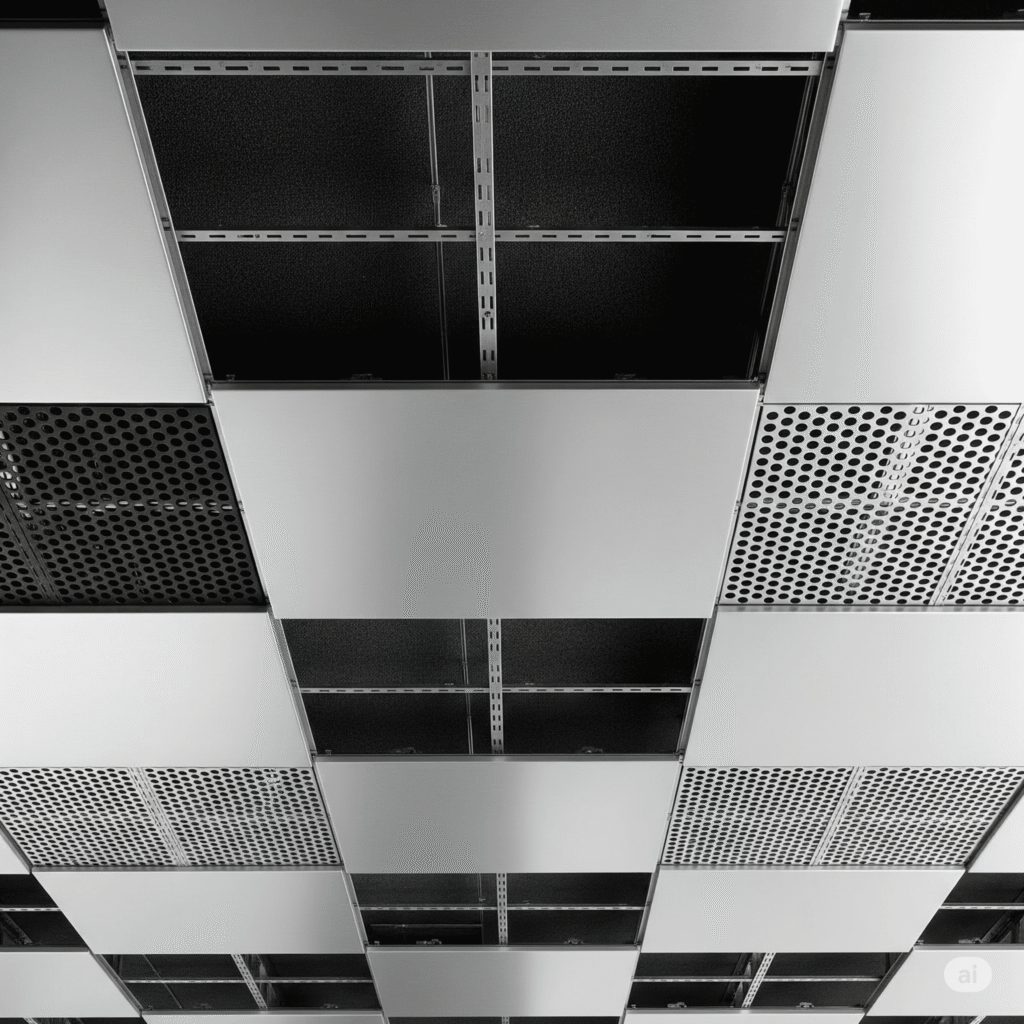
  • Acoustic Performance: Especially perforated metal tiles absorb sound, helping maintain a quiet environment in offices or conference rooms.
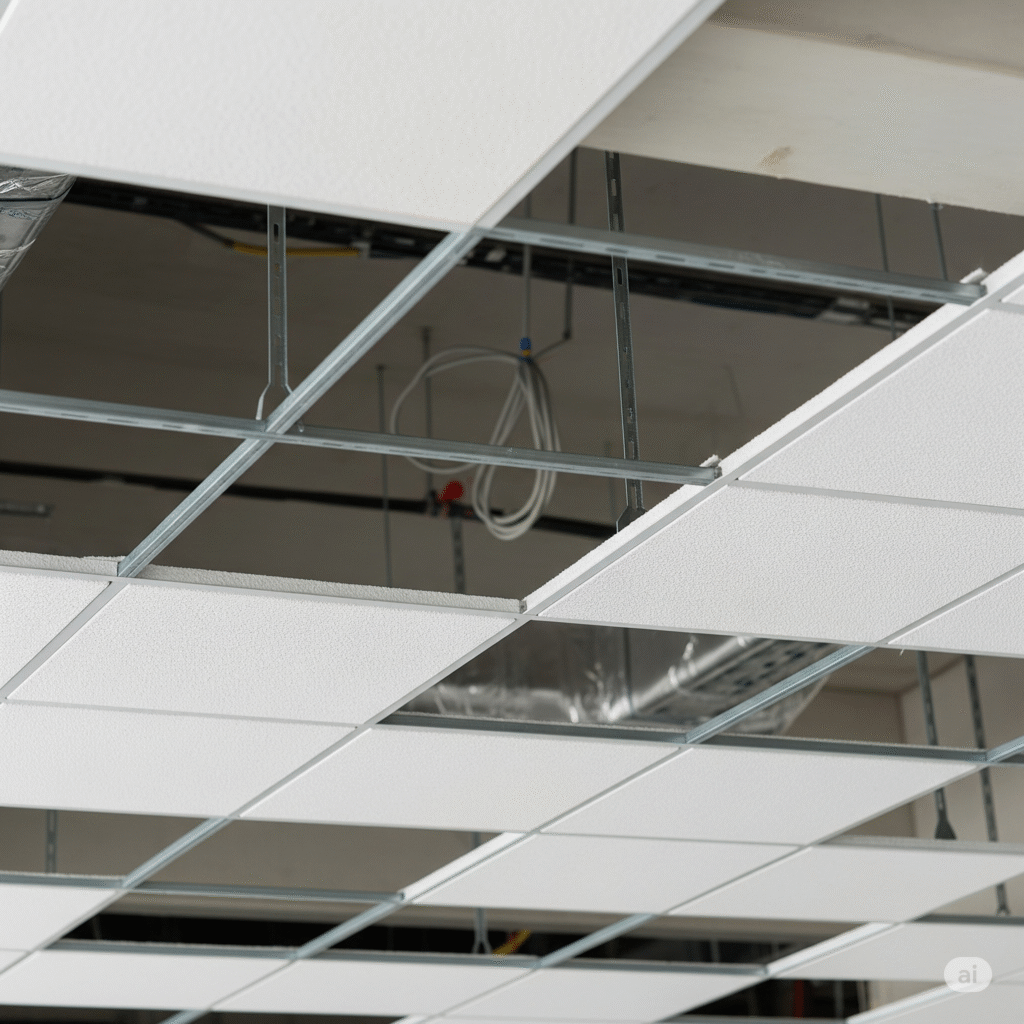
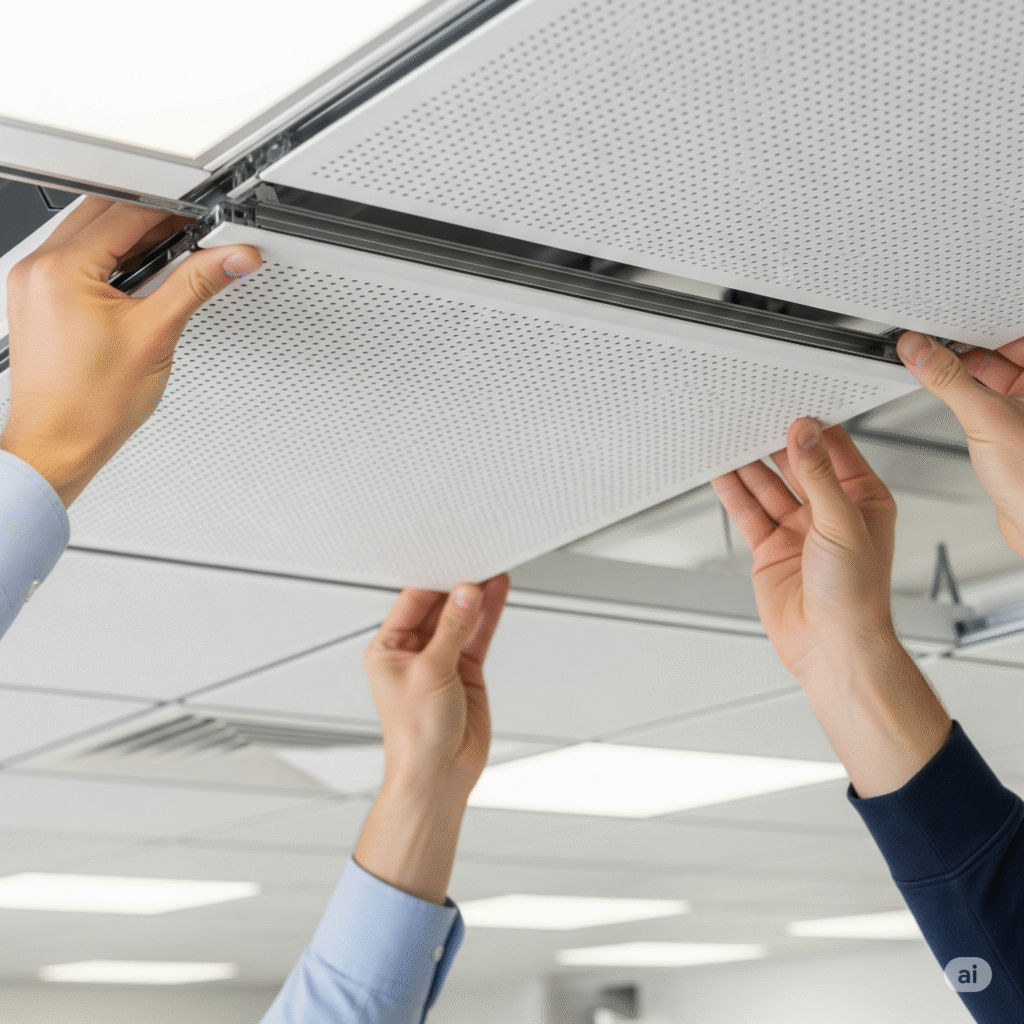
  • Service Access: Tiles can be easily removed, making maintenance of wiring, pipes, and air conditioning ducts above the ceiling simple and convenient.

Types of Metal Ceilings and Their Applications

Metal ceilings are mainly made of aluminum and galvanized steel (GI). The main types are:

  1. Lay-In Tiles

    • Most common and economical type, placed on an exposed T-Grid.
    • Use: Offices, schools, hospitals, and retail stores.

Benefit: Very easy to install and maintain

         2.Clip-In Tiles

    • Tiles are clipped into the grid, hiding the grid for a flat, monolithic look.
    • Use: Malls, airports, and banks where a sleek look is required.
    • Benefit: Attractive and clean appearance.

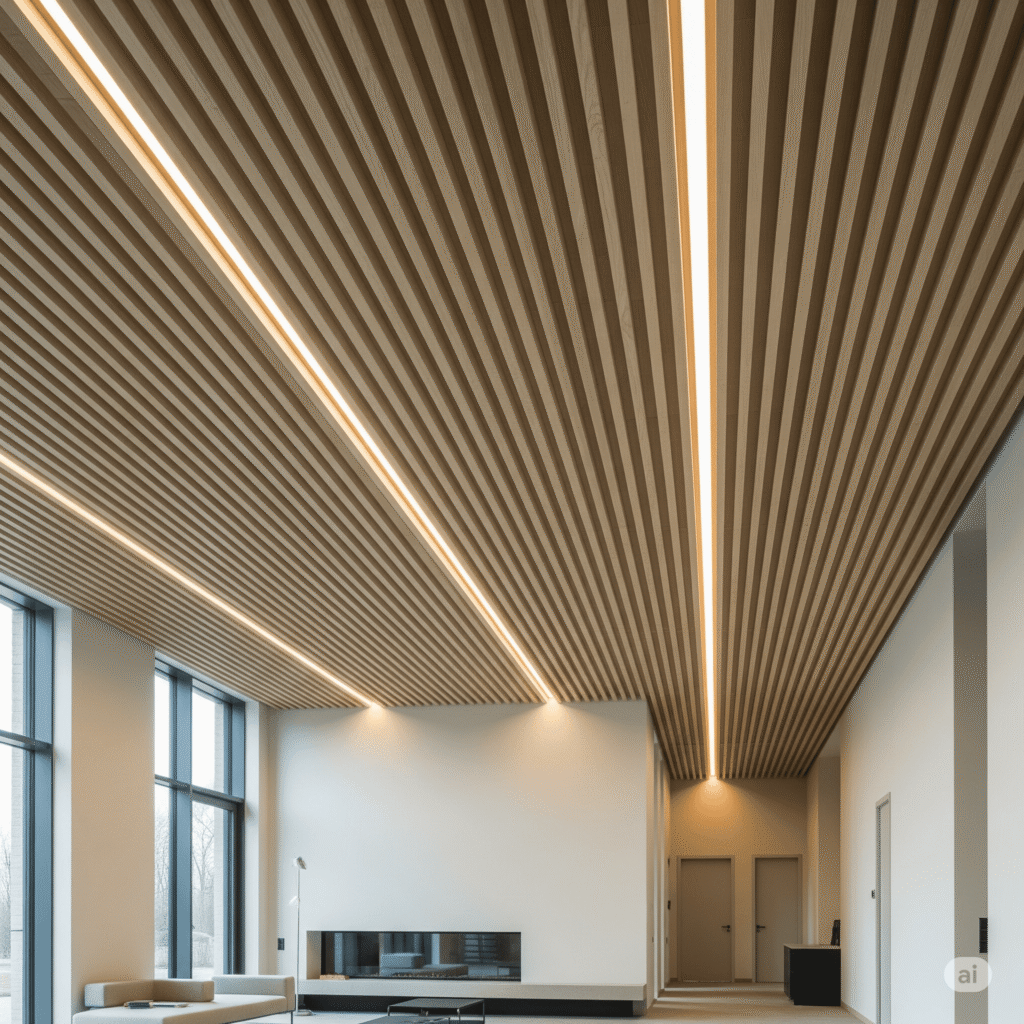
            3.Linear Ceilings

    • Long, narrow metal panels give a modern and spacious effect.
    • Use: Corridors, lobbies, restaurants, and stations.
    • Benefit: Adds a stylish and elongated look to spaces.

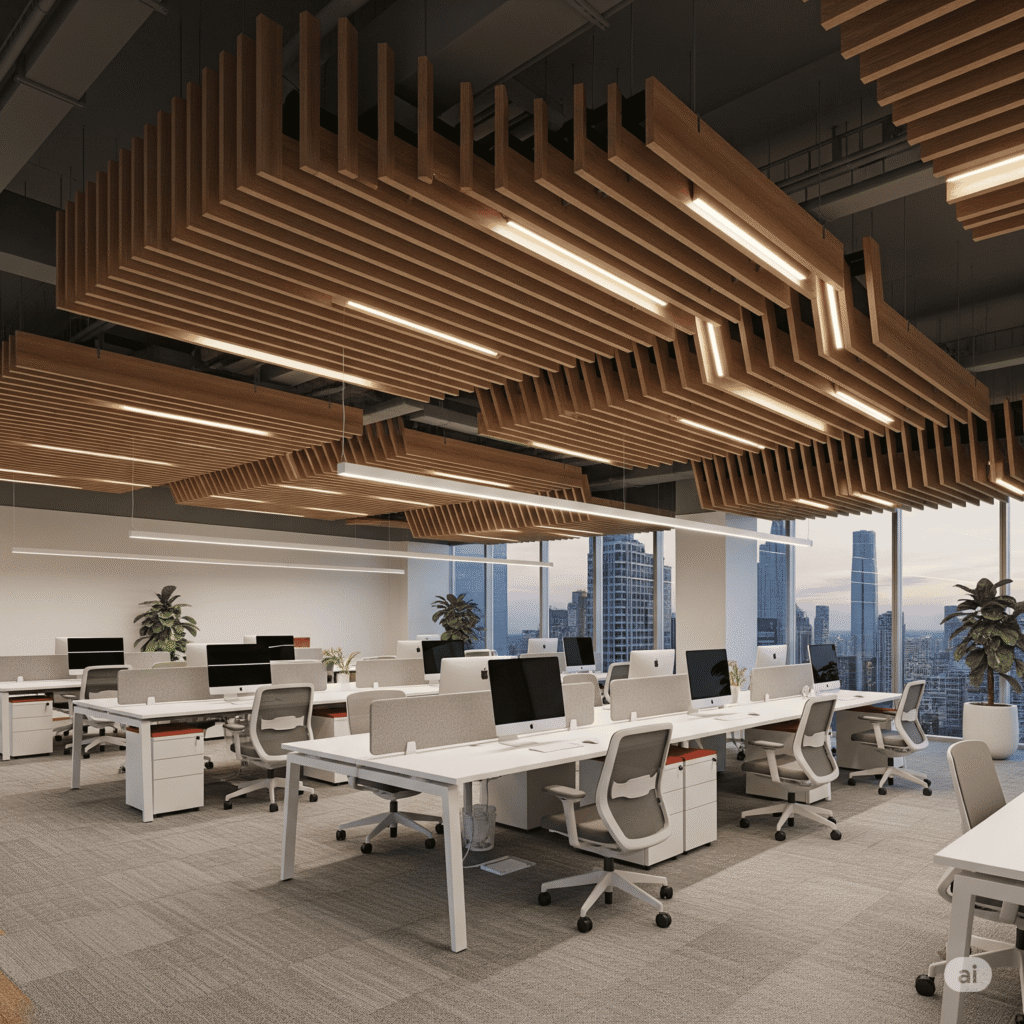
         4.Baffle Ceilings

    • Vertical hanging metal baffles are used, highly effective in absorbing sound.
    • Use: Auditoriums, conference rooms, and places requiring sound control.
    • Benefit: Excellent sound control and unique design.

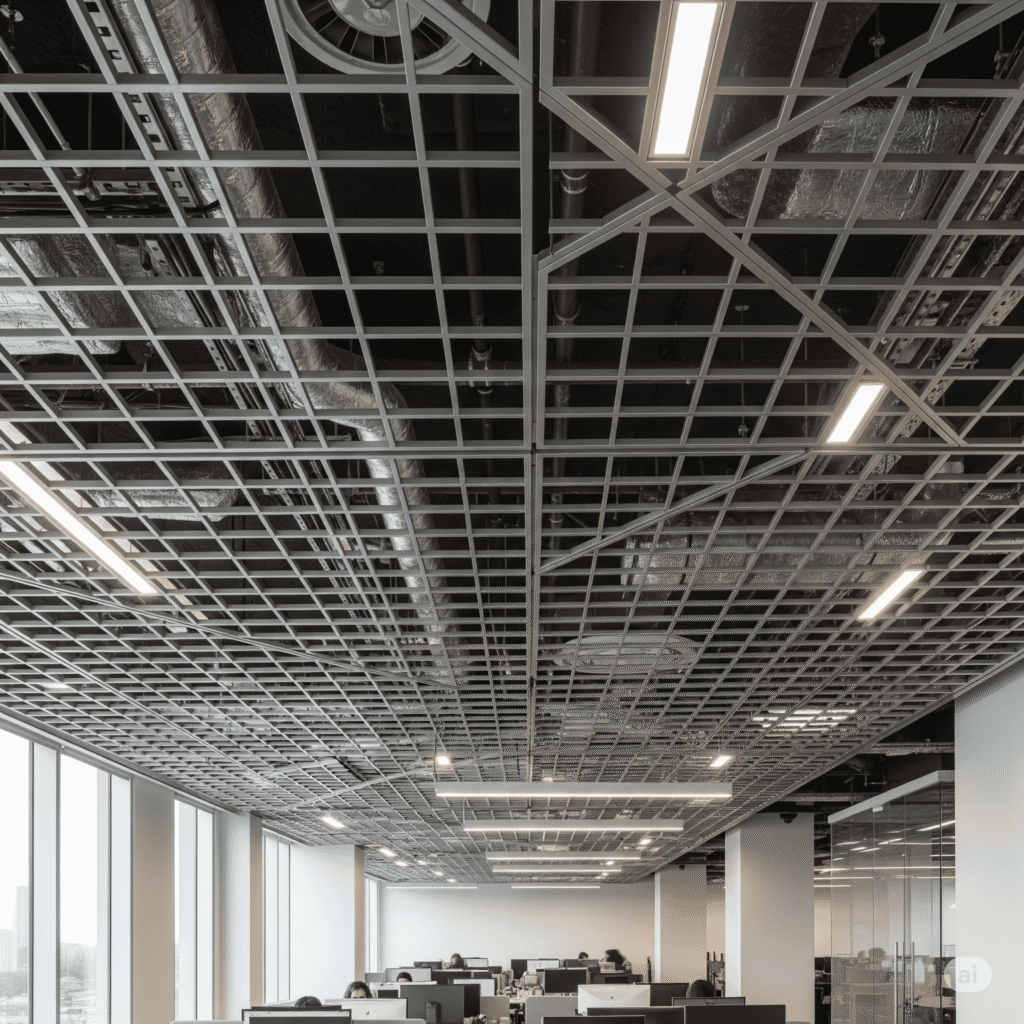
             5.Open Cell Ceilings

    • Tiles have a honeycomb-style open design.
    • Use: Large open spaces such as malls or airports.
    • Benefit: Enhances visual appeal and provides a distinct look.

Key Points to Consider While Choosing

  1. Budget: For limited budgets, Lay-In Tiles are the best choice.
  2. Appearance: For a modern and clean look, choose Clip-In Tiles; for unique designs, Linear or Baffle ceilings are excellent.
  3. Maintenance: If frequent access above the ceiling is needed, Lay-In Tiles are the most convenient.
  4. Sound Control: For effective sound absorption, Baffle or perforated tiles are the best options.

Metal ceiling production and usage are steadily increasing in Gujarat, setting a fine example of safety and beauty together.
If you are planning to buy any type of metal tiles for your next project, you can directly order at this number: 97278 05050

If this information was helpful to you, don’t forget to leave a comment!
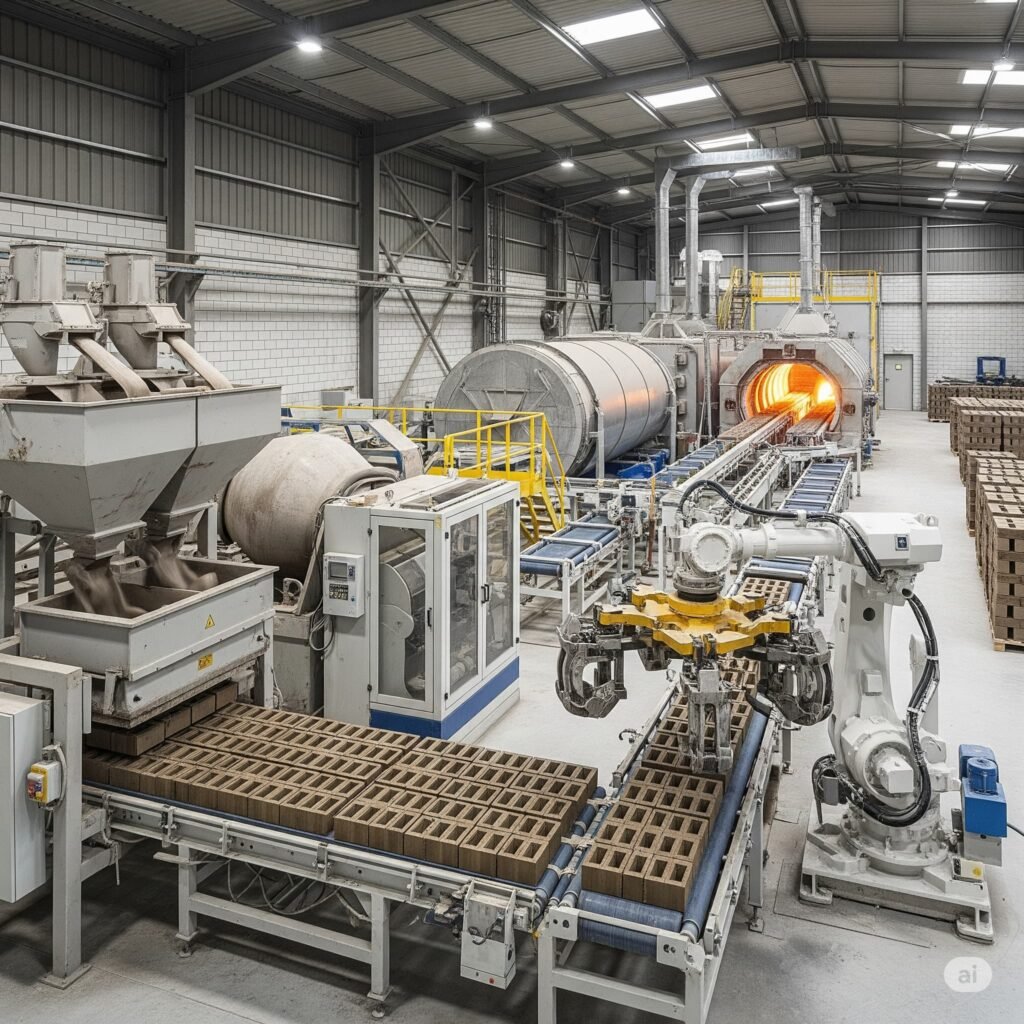
ઓટોમેટિક બ્રિક મેન્યુફેક્ચરિંગ પ્લાન્ટ સેટઅપ(India‑Friendly)

Automatic Brick Plant Setup- Step‑by‑Step Guide, Costs, IS Standards

brick burnt

વિષયસૂચિ (Table of Contents)

  • પરિચય
  • કયા પ્રકારની ઈંટ/બ્લોક બનાવશો?
  • સ્ટેપ‑બાય‑સ્ટેપ (બધા પ્રોજેક્ટ્સ માટે)
  • ટાઈપ‑વાઈઝ ક્વિક ગાઈડ
    • A) Fly‑Ash / Concrete Bricks
    • B) Burnt Clay Bricks – Tunnel Kiln
    • C) AAC Blocks (Autoclaved)
  • ક્વોલિટી & IS Standards
  • સ્પેસ/યુટિલિટી ચીટશીટ
  • મેનપાવર પ્લાન
  • કોસ્ટિંગ & ROI – ફ્રેમવર્ક + ઉદાહરણ
  • Day‑1 એક્શન પ્લાન
  • FAQs
  • ઈમેજ/મીડિયા સૂચનો
  • ડિસ્ક્લેમર

કયા પ્રકારની ઈંટ/બ્લોક બનાવશો?

  1. Fly‑Ash/Concrete Bricks (Hydraulic Vibro‑Press) – ઓછી CAPEX, ઝડપી સ્ટાર્ટ.
  2. Burnt Clay Bricks (Tunnel Kiln) – હાઈ CAPEX, સતત ફાયરિંગ, મોટી ક્ષમતા.
  3. AAC Blocks (Autoclaved) – હાઈ CAPEX, હલકાં બ્લોક્સ, ઉત્તમ થર્મલ ઇન્સ્યુલેશન.

પ્રકાર

Approx CAPEX

Land

Power/Utilities

Output/Day (indicative)

ખાસ મુદ્દા

Fly‑Ash/Concrete

₹25 લાખ–₹1.2 કરોડ

0.5–1.0 એકર

60–100 kW, 5–10 m³ પાણી

8k–12k bricks/shift

ઝડપી સેટઅપ, ઓછી ફ્યુઅલ ડિપેન્ડન્સી

Burnt Clay (Tunnel Kiln)

₹5–12 કરોડ+

2–4 એકર

ઇંધણ + ડ્રાયર/કિલ્ન

મોટા વોલ્યુમ

સતત કિલ્ન ઓપરેશન જરૂરી

AAC Blocks

₹15–35 કરોડ+

2–3 એકર

બોઇલર + ઓટોક્લેવ

હાઈ throughput

લાઇટવેટ, કટિંગ લાઇન ક્રિટિકલ

સ્ટેપ‑બાય‑સ્ટેપ (બધા પ્રોજેક્ટ્સ માટે)

1) Market & Capacity

  • લોકલ ડિમાન્ડ અને ચૅનલ્સ (કોન્ટ્રાક્ટર, બિલ્ડર, ગોડાઉન)નું સર્વે કરો.
  • પ્રતિદિવસ વેચાણ ધારણાના આધારે Capacity નક્કી કરો (ઉદા. 8–10 હજાર પીસ/દિવસ).
  • Target size: 190×90×90 mm (IS 1077) અથવા જરૂરી બ્લોક સાઇઝ.

2) Land & Layout

  • Fly‑ash: ~0.5–1.0 એકર; AAC: ~2–3 એકર; Clay tunnel kiln: ~2–4 એકર.
  • ઝોનિંગ: કાચામાલ યાર્ડ → મિક્સિંગ → પ્રેસિંગ/મોલ્ડિંગ → ક્યુરિંગ/ડ્રાયિંગ → તૈયાર માલ ગોડાઉન → ઓફિસ/લેબ.

3) Utilities

  • Power: Fly‑ash માટે 60–100 kW (@ ~10k bricks/day); AAC વધુ.
  • Water: Fly‑ash curing ~5–10 m³/day.
  • અન્ય: કમ્પ્રેસ્ડ એર (AAC), સારી રોડ ઍક્સેસ, ડ્રેનેજ.

4) Permissions & Registrations (India)

  • Pollution Control Board (Consent), Factory License, MSME/Udyam, GST, Trade License.
  • ESIC/EPFO (સ્ટાફ), Fire NOC (જ્યાં જરૂરી).

5) Machinery Finalization

  • ટાઈપ મુજબ મશીનરી લિસ્ટ (નીચે જુઓ), AMC/સ્પેર પ્લાન સાથે.

6) Raw Material Tie‑ups

  • Fly‑ash (પાવર પ્લાન્ટ), Sand/Stone dust, Cement/Lime/Gypsum.
  • Clay bricks માટે suitable soil, AAC માટે Lime, Cement, Fly‑ash/Sand, Al. powder.

7) QA/QC Setup

  • લેબ ટેસ્ટિંગ: IS 3495/1077 (ક્લે), IS 12894 (ફ્લાય‑ઍશ), IS 2185 (કોંક્રીટ બ્લોક), IS 3812 (ફ્લાય‑ઍશ grade).
  • Test: Compressive strength, dimension tolerance, water absorption, efflorescence.

8) Manpower Planning

  • Production, Maintenance (Electrical/Mechanical), QA, Store/Dispatch, EHS.

9) Safety & Environment

  • PPE, Dust control, Guarding, Electrical earthing, Waste/water management.

10) Financials

  • CAPEX: land/shed/machinery/electrical.
  • OPEX: raw material, power, wages, maintenance.
  • Working capital ≥ 1–2 months OPEX.
  • Simple ROI: (Annual Net Profit ÷ Total Investment).

11) Civil & Erection

  • Machine foundations, shed, hard flooring (drain slope), electrical panels, cable trays, lighting, water lines.

12) Trial & Stabilization

  • Trial mixes, mold setting, pressure/vibration tuning, curing SOP lock.

13) SOPs & Documentation

  • Mixing ratios, press cycle times, curing days, inspection checklist, rejection/rework flow.

14) Vendor/Logistics

  • Pallets, strapping, stretch‑wrap, dispatch planning (truck loads).

15) Scale‑up

  • Second press/extra molds, automated batching/stacker, kiln/autoclave cycle optimization.

ટાઈપ‑વાઈઝ ક્વિક ગાઈડ

  1. A) Fly‑Ash / Concrete Bricks

Typical Machinery:

  • Aggregate/Fly‑ash silos/bins, Pan/Planetary mixer, Screw/Conveyor,
  • Hydraulic Vibro‑Press (automatic feeder + palletizer optional),
  • Pallets & Racks, Curing area (steam/water), Stacker, Strapping.

Starter Mix (રફ માર્ગદર્શક):

  • Fly‑ash 60–70% + Sand/Stone dust 20–30% + Cement 8–12% (અથવા Lime+Gypsum સિસ્ટમ).
  • Water–cement eq.: ~0.30–0.35 (workability મુજબ). Trial batchesથી final.

Process (SOP):

  1. Raw material sieving/weighting
  2. Mixing (પહેલાં ડ્રાય, પછી પાણી)
  3. Pressing (pressure & vibration tuned)
  4. Demould on pallets
  5. Initial set 24–48 કલાક
  6. Curing 7–14 દિવસ (steam/water)
  7. Test & Dispatch

Capacity (ઇન્ડિકેટિવ): 1 automatic press → ~8,000–12,000 bricks/shift (મોલ્ડ & સાયકલ પર આધારિત).

Rough Budget:

  • Semi‑auto line: ₹25–40 લાખ+
  • Fully‑auto (press + feeders + stacker): ₹60 લાખ–₹1.2 કરોડ+
  1. B) Burnt Clay Bricks – Tunnel Kiln

Sections:

  • Clay winning & stockyard → Crusher → Pug mill → Vacuum extruder/Press →
  • Auto green brick setter → Dryer → Tunnel kiln (coal/gas/fuel) → Unloading/Packaging.
  • Emission control: cyclone/Bag filter (PCB મુજબ).

Key Points:

  • Soil suitability (plasticity/silt %), sand/blending → crack control.
  • Continuous dryer + kiln → consistent quality, big throughput.

Rough CAPEX: ₹5–12 કરોડ+ (kiln length/capacity, fuel system, automation પ્રમાણે).

  1. C) AAC Blocks (Autoclaved)

Sections:

  • Batching & pouring (slurry) → Rising/Pre‑curing → Demould → Wire cutting (V+H) → Autoclave (~12 bar steam) → Packing.
  • Major CAPEX: Boiler, Autoclaves, Cutting line.

Raw Mix (indicative): Fly‑ash/Sand + Cement + Lime + Gypsum + Al. powder 0.05–0.1%.

Rough CAPEX: ₹15–35 કરોડ+ (capacity/autoclaves count પ્રમાણે).

ક્વોલિટી & IS Standards

  • Clay bricks: IS 1077 (dimension), IS 3495 (strength, water absorption, efflorescence).
  • Fly‑ash bricks: IS 12894 (class by strength).
  • Concrete blocks/pavers: IS 2185 / IS 15658.
  • Incoming fly‑ash: IS 3812 (Part‑1/2) basics.

QC ચેકલિસ્ટ:

  • Dimensions & Tolerance (sample per batch)
  • Compressive Strength (IS method)
  • Water Absorption %
  • Efflorescence
  • Visual Defects (crack, edge damage)

સ્પેસ/યુટિલિટી ચીટશીટ

પ્લાન્ટ

Shed Area

Open Yard

Power

Water

Fly‑ash (~10k/day)

~8–12k sq.ft

~15–20k sq.ft

60–100 kW

5–10 m³/day

Tunnel Kiln (Clay)

Large

Large

Fuel + kiln utilities

As per kiln

AAC

Boiler house + autoclaves

Moderate

High (steam + power)

WT/softened

મેનપાવર પ્લાન (Fly‑ash – single line)

  • Production: 8–12
  • Maintenance (E/M): 2–3
  • QA/QC: 1–2
  • Stores/Dispatch: 2–3
  • Admin: 1–2
    (શિફ્ટિંગ મુજબ ફેરફાર કરે.)

કોસ્ટિંગ & ROI – ફ્રેમવર્ક + ઉદાહરણ

Formulae:

  • Unit Cost ≈ (Raw Material + Power + Labour + Overheads) ÷ Bricks Produced
  • Profit/Brick = Selling Price – Unit Cost
  • ROI ≈ Annual Net Profit ÷ (CAPEX + Working Capital)

Illustration (રફ):

  • Capacity: 10,000 bricks/day; 25 working days/month.
  • Selling price: ₹6/brick; Unit cost: ₹4.5/brick ⇒ Profit = ₹1.5/brick.
  • Monthly Profit: 10,000 × 1.5 × 25 = ₹3,75,000.
  • Annual Profit: ₹3,75,000 × 12 = ₹45,00,000 (₹45 લાખ).
  • If Total Investment = ₹90 લાખ ⇒ ROI ≈ 45/90 = 50% (indicative).
    નોંધ: ભાવ/કચો માલ/રિજેકશન પર ખરેખર પરિણામ બદલાય.

Day‑1 એક્શન પ્લાન

  1. Type & Capacity ફાઈનલ કરો (Fly‑ash vs Clay vs AAC).
  2. Vendors (2–3) shortlist કરી specs/AMC/lead time મેળવો.
  3. Land layout sketch (one‑way material flow) તૈયાર કરો.
  4. Statutory approvals લિસ્ટ તૈયાર કરી PCB સાથે pre‑consult કરો.
  5. Trial mix & sample bricks માટે R&D પ્લાન બનાવો.
  6. Project budget & cash‑flow sheet તૈયાર કરો.

FAQs

Q1. ક્યુરિંગ કેટલા દિવસ?
Fly‑ash/Concrete bricks માટે સામાન્ય રીતે 7–14 દિવસ; steam curingમાં સમય ઘટાડી શકાય છે (સતર્કતા સાથે).

Q2. IS strength class કેવી રીતે પસંદ કરવી?
તમારા માર્કેટ/ક્લાયન્ટ requirement મુજબ IS 12894/2185 પ્રમાણે strength class target કરો અને લેબ ટેસ્ટિંગથી વેરિફાઈ કરો.

Q3. લાઈસન્સ કયા લેવાં?
PCB Consent, Factory License, MSME/Udyam, GST, Trade License, ESIC/EPFO, Fire NOC (જ્યાં લાગુ પડે).

Q4. Water absorption કેવી રીતે કંટ્રોલ કરવું?
ગ્રેડેડ એગ્રીગેટ/સેન્ડ, યોગ્ય સિમેન્ટ/લાઈમ ડોઝ, વોટર‑સિમેન્ટ રેશિયો કન્ટ્રોલ, પૂરતું ક્યુરિંગ.

Q5. Rejection ઘટાડવા શું કરવું?
સંગ્રહિત QA (in‑process checks), mold/press settings, proper demould time, edge protection, pallet handling.


ડિસ્ક્લેમર

આ માહિતી ઇન્ડિકેશન માટે છે. સ્થાનિક નિયમો, સાઇટ કન્ડીશન્સ, વેન્ડર સ્પેસિફિકેશન અને ક્વોલિટી માપદંડ મુજબ ફેરફારો શક્ય છે. પ્રોજેક્ટ શરૂ કરતા પહેલા ટેકનિકલ નિષ્ણાત અને અધિકૃત માર્ગદર્શિકાઓનું પાલન કરો.

Best AI Camera Installation Under 3000

In today’s time, it is essential to have a third eye for our safety and security everywhere, be it at home, in the office, or any other place, as we cannot be present everywhere. For example, if there is a small child alone at home, what can be done to keep an eye on them? For this, a third eye is needed, and that is a camera. Now, one might say that cameras are not a big deal; they are readily available.

But now, it is a big deal, and the most important thing for everyone is that it’s budget-friendly. Anyone can afford it for just ₹2000 to ₹3000, as the Tapo company doesn’t offer just any camera. It is equipped with AI technology that catches every human movement, detects what animal it is, and can even understand its sound. When a person arrives, you get a direct notification on your phone. And there is no need to worry even if the power goes out, as there are also solar-powered cameras that are not affected by rain.

Features of Key Tapo AI Camera Models
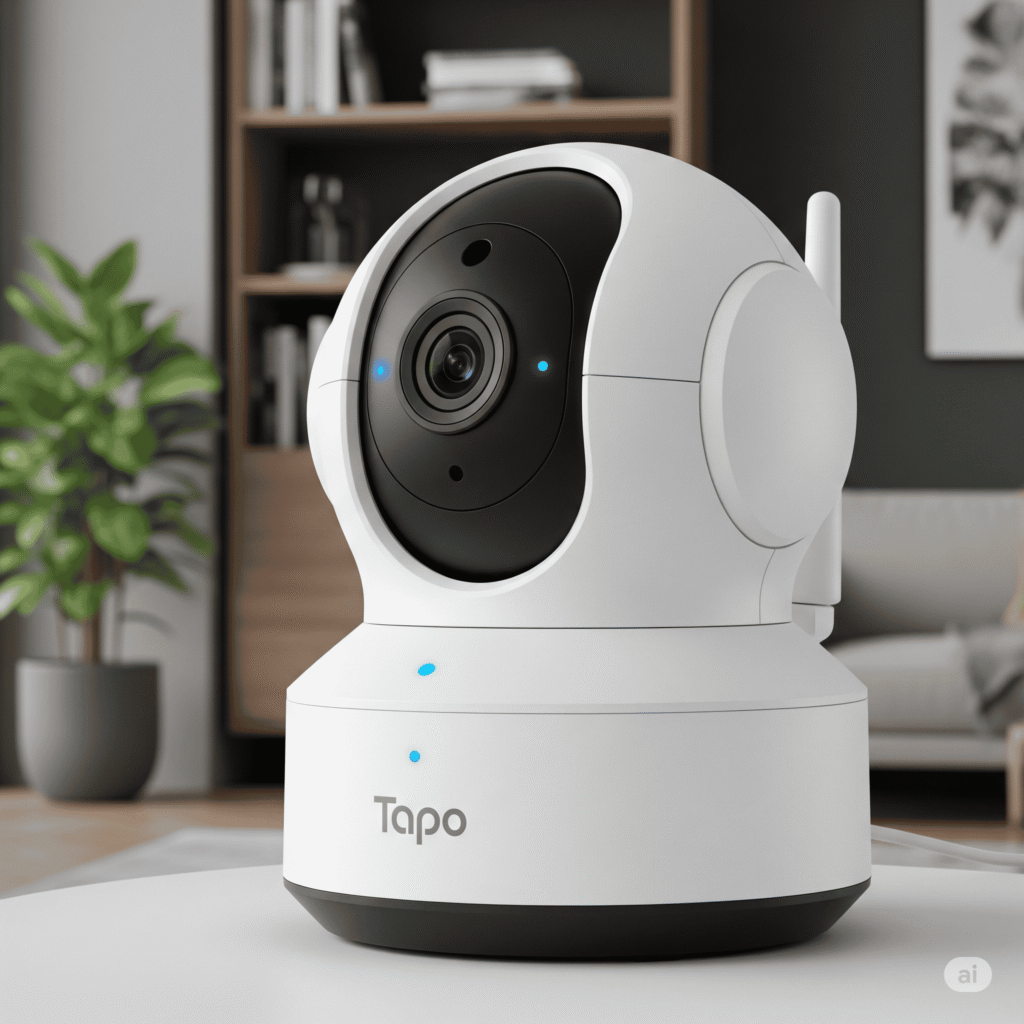
 

TP‑Link Tapo C220 2K QHD AI Pan/Tilt Camera

Tapo C220 (2K QHD Pan/Tilt AI Home Security)

Tapo C220 (2K QHD Pan/Tilt AI Home Security)

  • Video: 2K QHD (4MP) resolution with smooth pan/tilt (360° horizontal, 114° vertical).

  • Smart Detection: AI-based alerts for people, pets, vehicles, baby crying, plus motion tracking and customizable activity zones.

  • Privacy & Audio: Two-way audio; block zones for privacy.

  • Storage: Supports up to 512 GB microSD or cloud (Tapo Care).

  • Smart Home: Voice control via Amazon Alexa and Google Assistant.
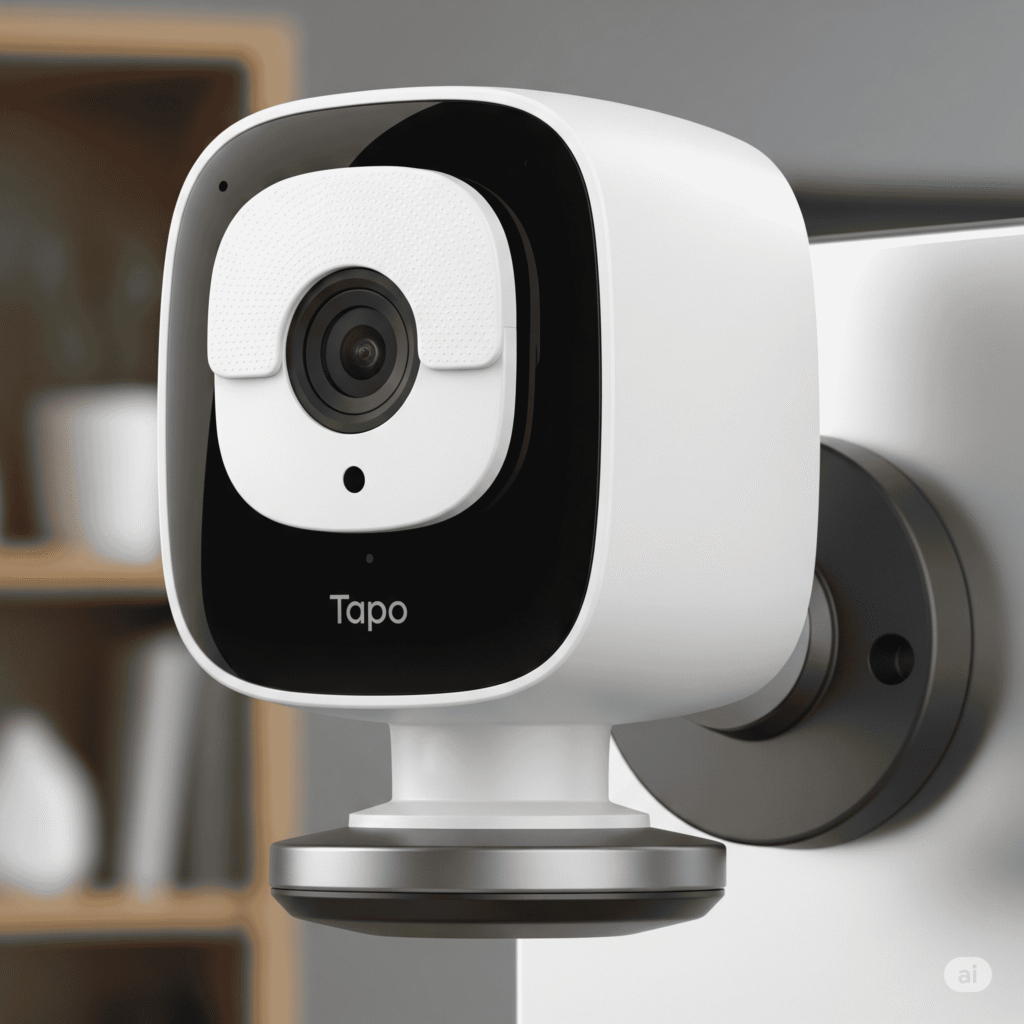
Tapo C125 (2K Indoor AI Static Camera)

Tapo C125 (2K Indoor AI Static Camera)
  • Resolution: 2K QHD with AI image enhancement and HDR.

  • Detection: Identifies people, pets, vehicles, package arrivals, and abnormal sounds.

  • Privacy: Physical shutter + magnetic mount for flexible placement.

  • Night Mode: Toggle IR LEDs between visible or invisible (850 nm vs 940 nm) for discreet monitoring.

  • Audio & Storage: Two-way audio, microSD up to 512 GB, or cloud.

  • Smart Home: Works with Alexa, Google, and Apple HomeKit.
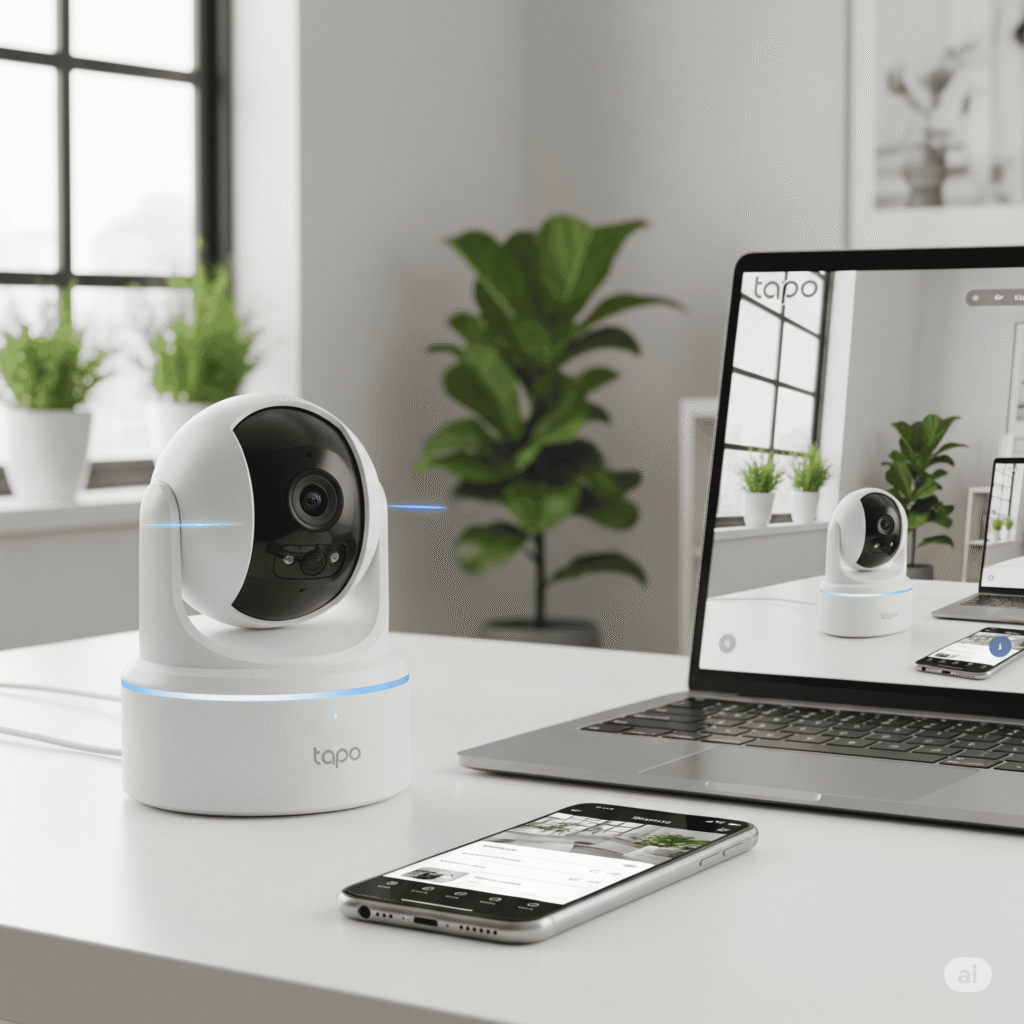
Tapo C225 (2K Pan/Tilt AI Camera)

Tapo C225 (2K Pan/Tilt AI Camera)
  • Video & Movement: 2K QHD with full 360° pan, fast 120°/s rotation, and night vision up to 30 ft.

  • Detection: AI for people, pets, vehicles, sounds; includes line-crossing, activity zones, and light/sound alarms.

  • Privacy: Privacy shield controlled via app or physically.

  • Storage: microSD support or Tapo Care cloud.

  • Smart Home: Compatible with HomeKit, Alexa, and Google.
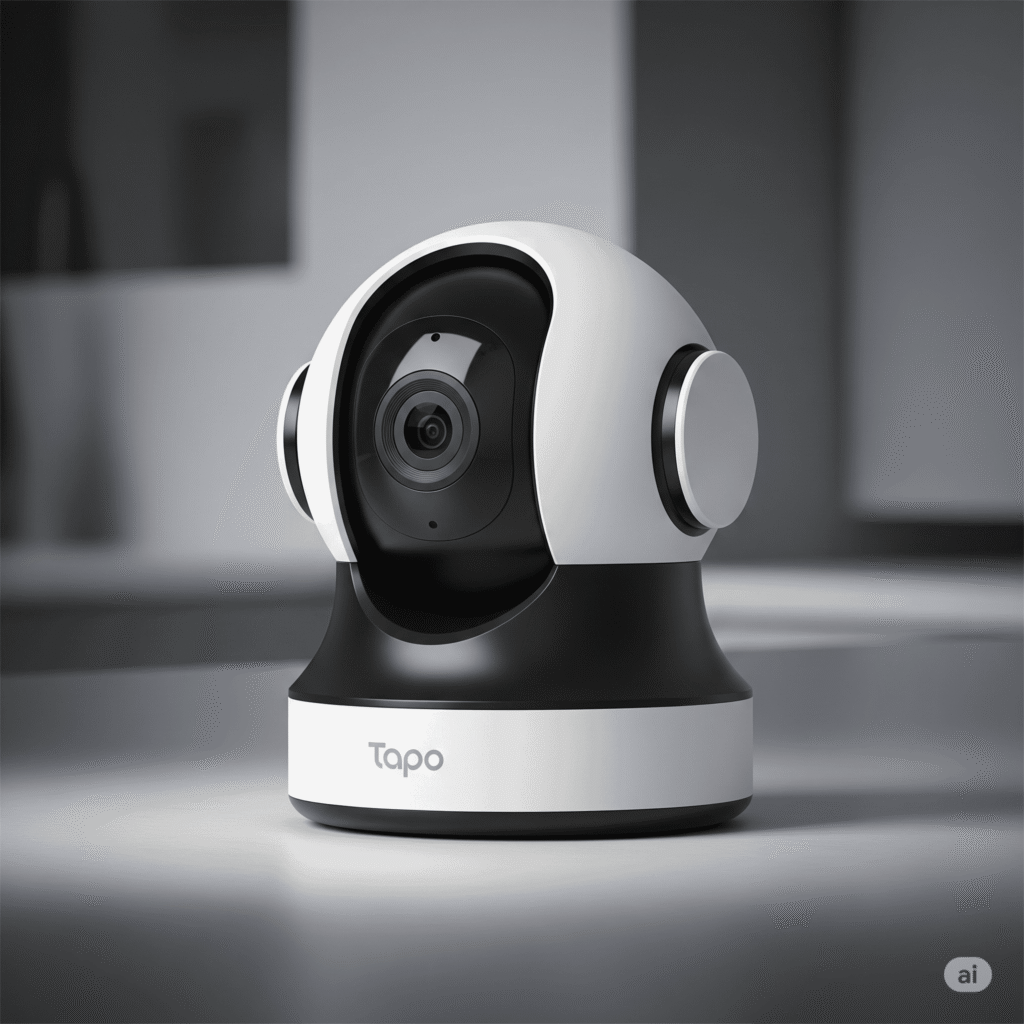
Tapo C260 (4K Pan/Tilt AI Camera)

  • Resolution & Movement: Ultra-clear 4K (8MP), 360° horizontal and 116° vertical tilt.

  • Smart Detection: Recognizes human faces—alerts only for unfamiliar ones, plus person/pet/vehicle detection; local AI ensures privacy.

  • Privacy & Audio: Physical privacy mode, customizable block zones, two-way audio.

  • Night Vision: Up to 40 ft visibility.

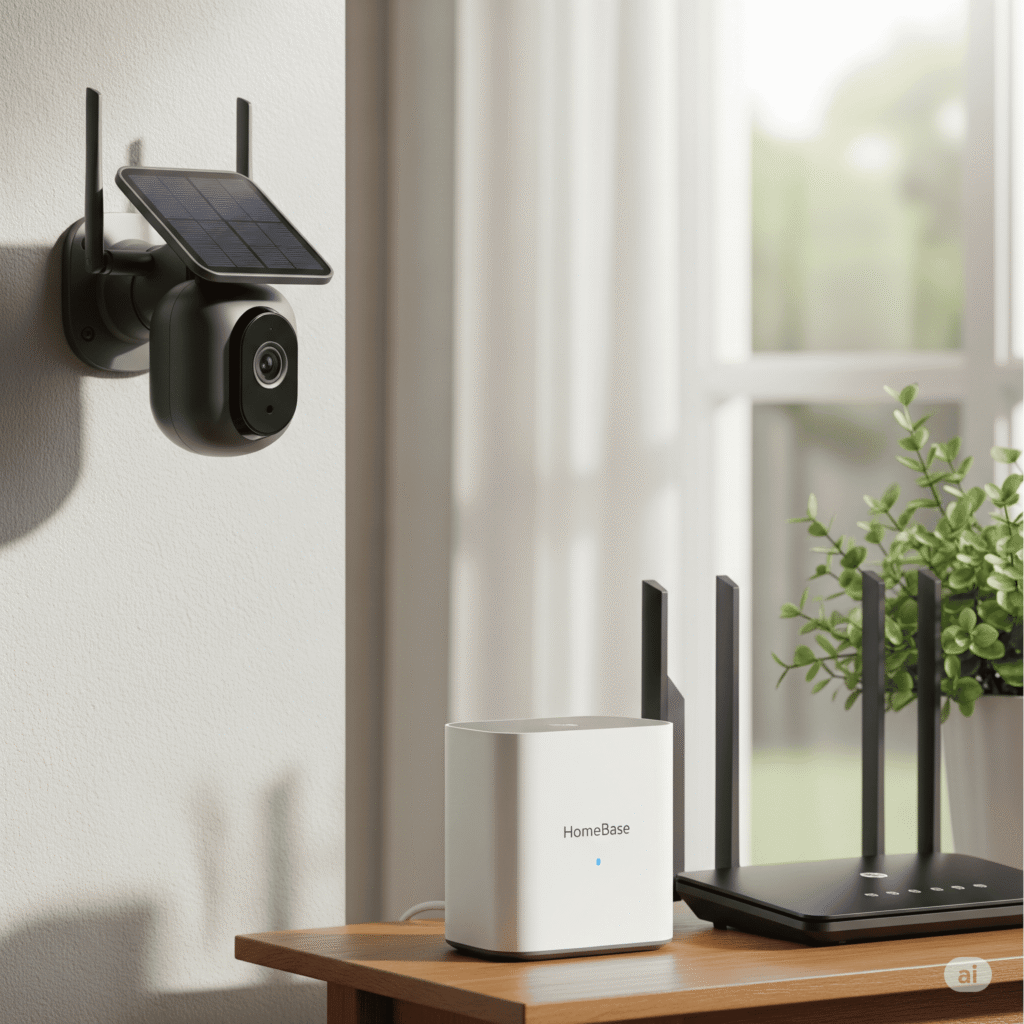
Solar-Powered Models & HomeBase

  • MagCam 4K Solar (C460) & VistaCam 360 Solar (C660): 24/7 recording via solar, adjustable frame rates to save power.

  • C660 Kit Review: 4K, solar panel, motion tracking, local microSD up to 512 GB, motion zones, optional cloud Tapo Care.

  • HomeBase H500: Optional hub with 16 GB local storage (expandable to 16 TB), facial recognition, Matter controller, connects up to 16 cameras

Recommendation Based on Needs

  • Indoor, budget-friendly: Tapo C125 or C220 fit the bill with robust AI and privacy features.

  • Flexible View & Tracking: C225 adds dynamic motion tracking and fast pan/tilt.

  • Top-end clarity: C260 delivers 4K detail plus face recognition.

  • Outdoor/All-in-one: C560WS offers weatherproof, advanced AI detection. HybridCam Duo is great where both wide and zoom views are essential.

  • Solar/battery-powered versatility: MagCam/VistaCam Solar ensures uninterrupted surveillance.

  • Advanced setup: HomeBase H500 improves local storage, recognition, and integrates smart home control.