
"Designs that Define Elegance"
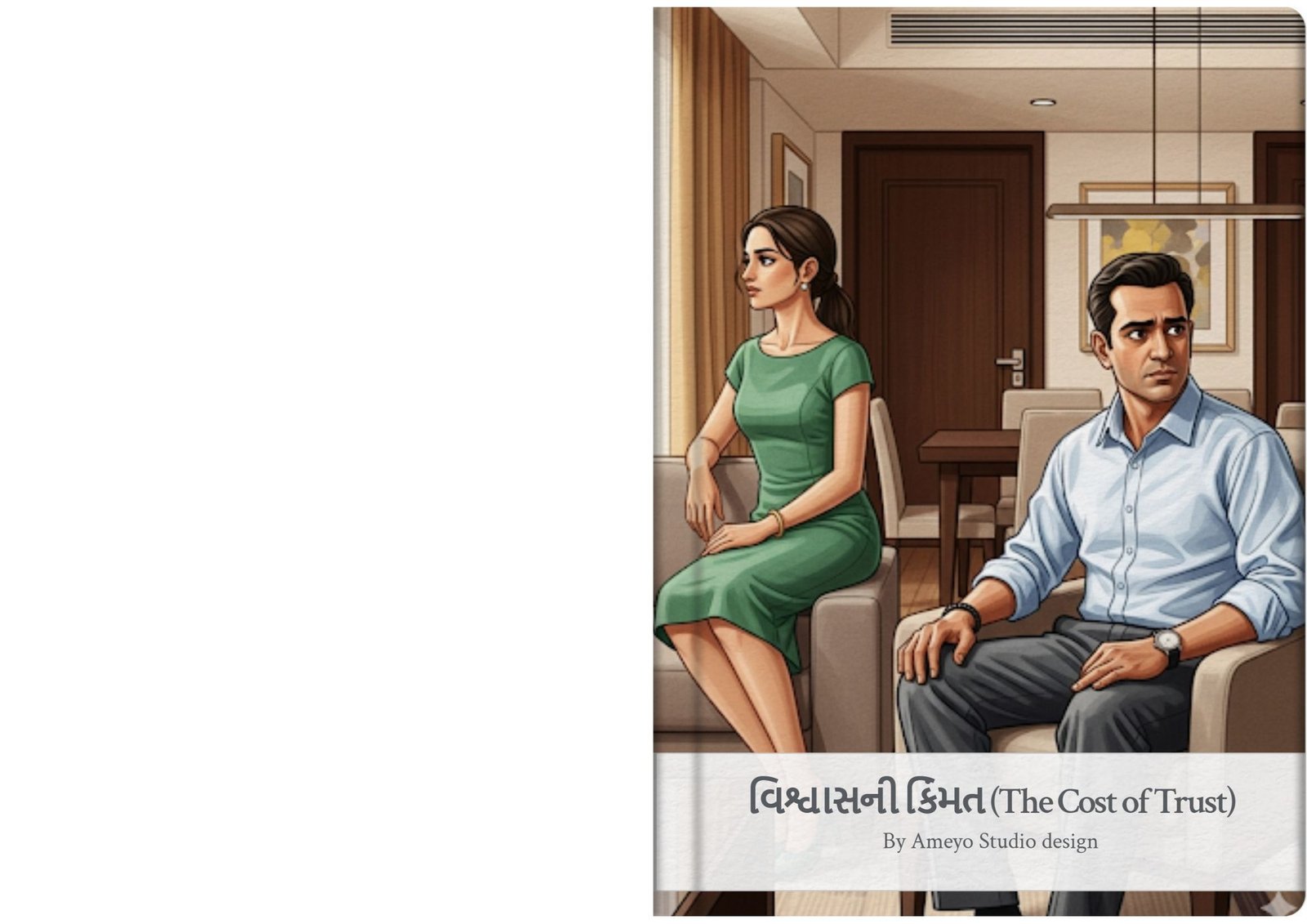
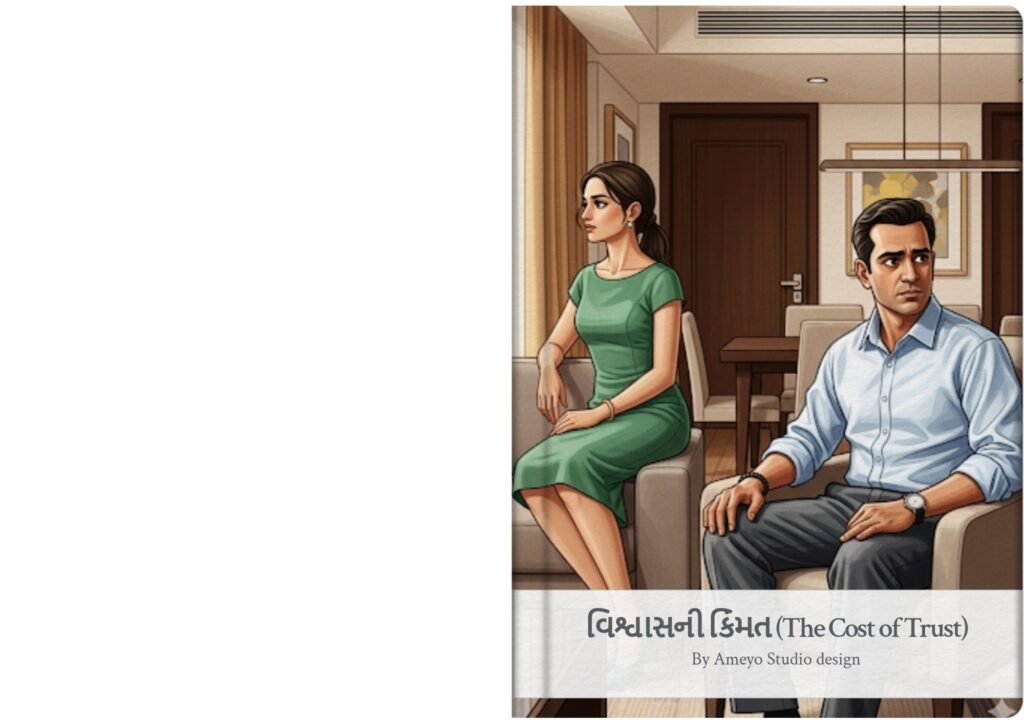
વિશ્વાસ શું હોય છે તેની આજ વાત કરવી છે ? કદાચ આ પ્રશ્ન આજ ઘર ઘર નો છે ?
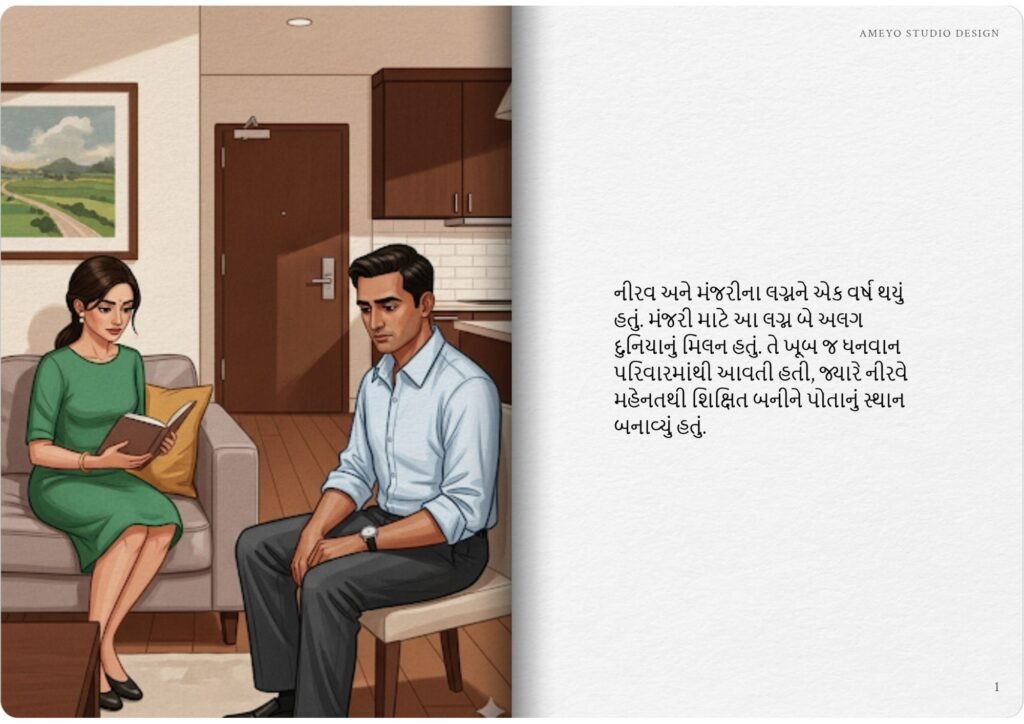
નીરવ અને મંજરીના લગ્નને એક વર્ષ થયું હતું. મંજરી માટે આ લગ્ન બે અલગ દુનિયાનું મિલન હતું. તે ખૂબ જ ધનવાન પરિવારમાંથી આવતી હતી, જ્યારે નીરવે મહેનતથી શિક્ષિત બનીને પોતાનું સ્થાન બનાવ્યું હતું
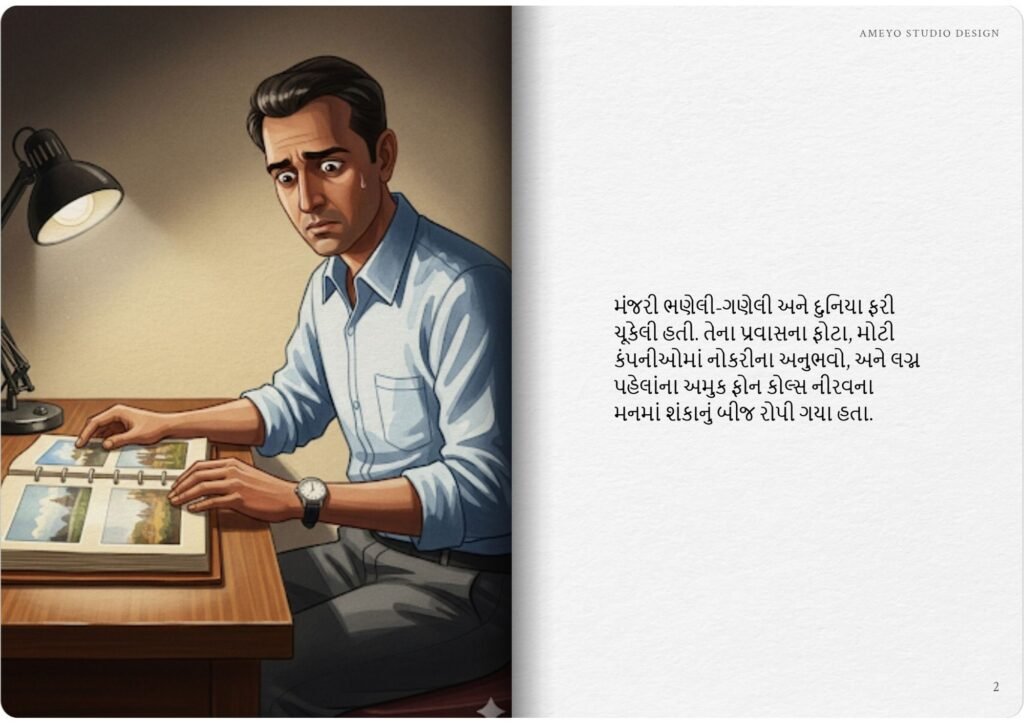
મંજરી ભણેલી-ગણેલી અને દુનિયા ફરી ચૂકેલી હતી. તેના પ્રવાસના ફોટા, મોટી કંપનીઓમાં નોકરીના અનુભવો, અને લગ્ન પહેલાંના અમુક ફોન કોલ્સ નીરવના મનમાં શંકાનું બીજ રોપી ગયા હતા.
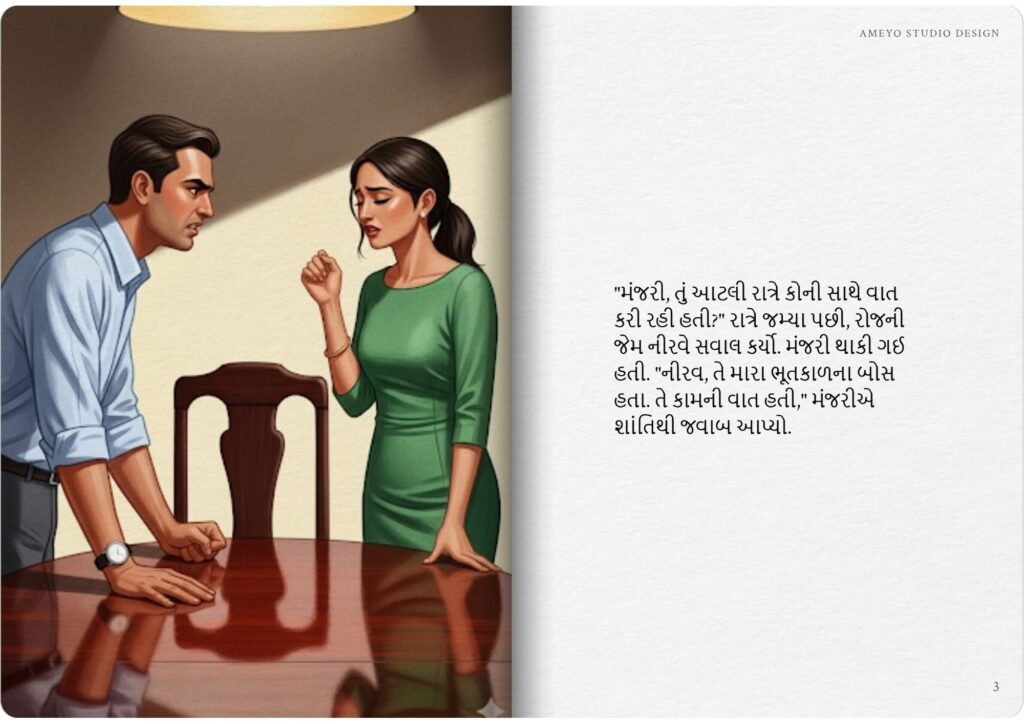
“મંજરી, તું આટલી રાત્રે કોની સાથે વાત કરી રહી હતી?” રાત્રે જમ્યા પછી, રોજની જેમ નીરવે સવાલ કર્યો. મંજરી થાકી ગઈ હતી. “નીરવ, તે મારા ભૂતકાળના બોસ હતા. તે કામની વાત હતી,” મંજરીએ શાંતિથી જવાબ આપ્યો.”
“બોસ? કે પછી કોઈ મિત્ર? તું હંમેશા કહે છે કે તારો કોઈ ‘મિત્ર’ નથી. તારા જીવનમાં શું ચાલી રહ્યું છે, મંજરી?” નીરવનો અવાજ ઊંચો થતો ગયો. મંજરીનો ચહેરો દુઃખ અને અવિશ્વાસથી ભરાઈ ગયો
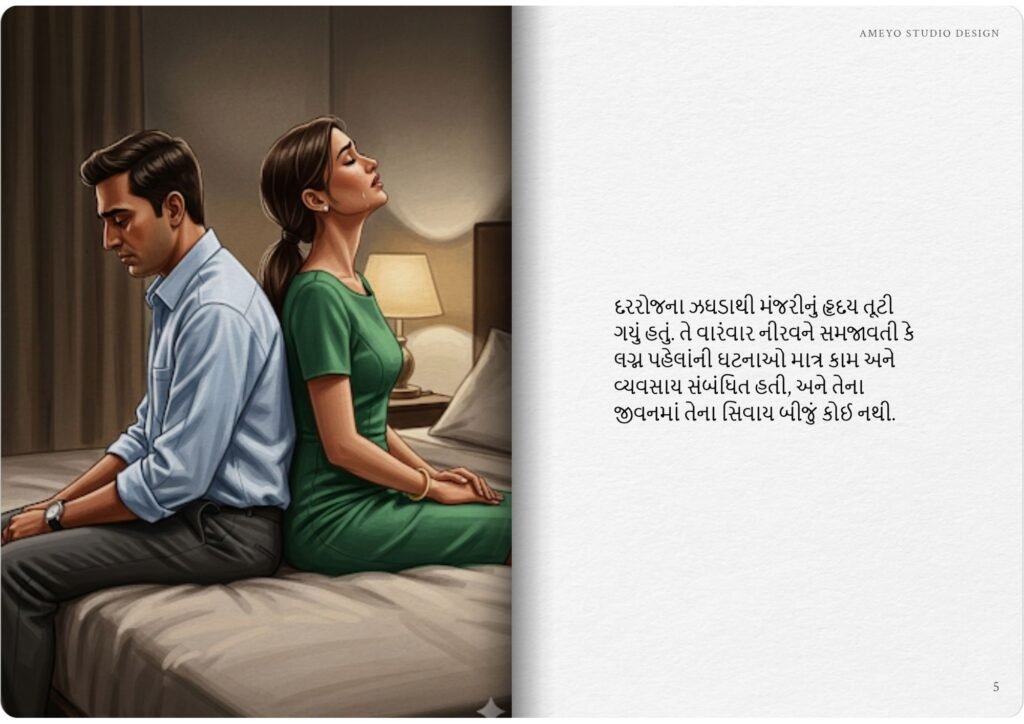
દરરોજના ઝઘડાથી મંજરીનું હૃદય તૂટી ગયું હતું. તે વારંવાર નીરવને સમજાવતી કે લગ્ન પહેલાંની ઘટનાઓ માત્ર કામ અને વ્યવસાય સંબંધિત હતી, અને તેના જીવનમાં તેના સિવાય બીજું કોઈ નથી.
એક દિવસ, નીરવની જૂની નોકરીની ઓફિસમાં એક મોટો પ્રોજેક્ટ ફસાયો. પ્રોજેક્ટ મેનેજમેન્ટની ખામીને કારણે કંપનીને મોટું નુકસાન થવાનું હતું. નીરવ ખૂબ જ ચિંતિત હતો.
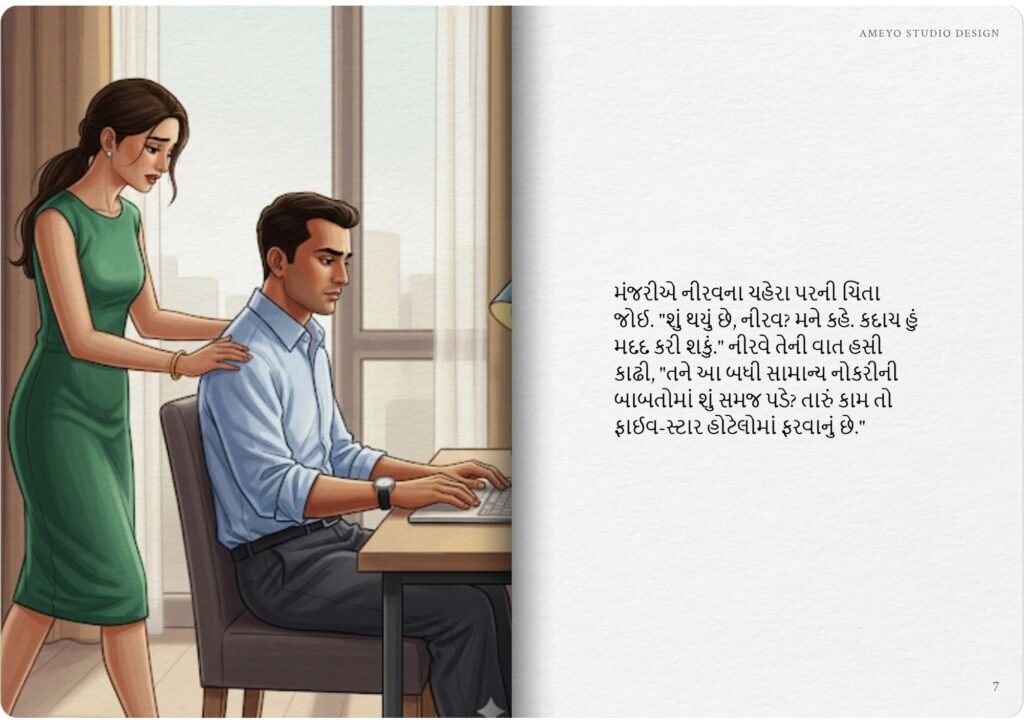
મંજરીએ નીરવના ચહેરા પરની ચિંતા જોઈ. “શું થયું છે, નીરવ? મને કહે. કદાચ હું મદદ કરી શકું.” નીરવે તેની વાત હસી કાઢી, “તને આ બધી સામાન્ય નોકરીની બાબતોમાં શું સમજ પડે? તારું કામ તો ફાઈવ-સ્ટાર હોટેલોમાં ફરવાનું છે.”
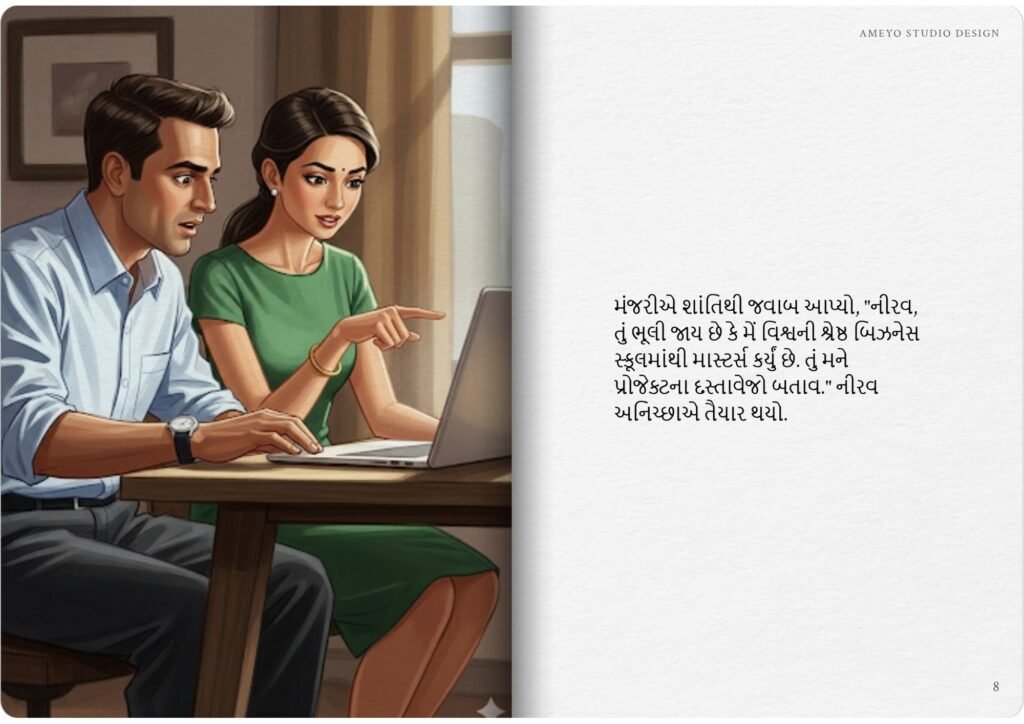
મંજરીએ શાંતિથી જવાબ આપ્યો, “નીરવ, તું ભૂલી જાય છે કે મેં વિશ્વની શ્રેષ્ઠ બિઝનેસ સ્કૂલમાંથી માસ્ટર્સ કર્યું છે. તું મને પ્રોજેક્ટના દસ્તાવેજો બતાવ.” નીરવ અનિચ્છાએ તૈયાર થયો.
મંજરીએ પ્રોજેક્ટની ખામીઓ તરત ઓળખી કાઢી અને એક વ્યવહારુ ઉકેલ આપ્યો. તેણીએ પોતાના ભૂતકાળના અનુભવોનો ઉપયોગ કરીને નીરવને સમજાવ્યું કે કેવી રીતે કંપનીને નુકસાનમાંથી બચાવવી. નીરવ સ્તબ્ધ થઈ ગયો.
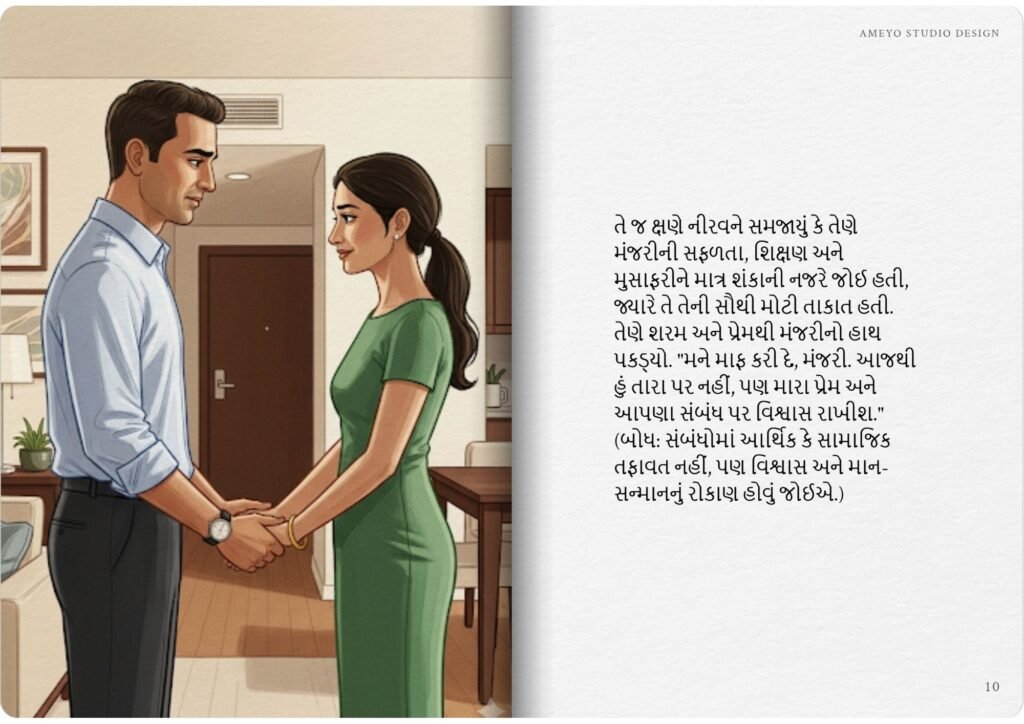
તે જ ક્ષણે નીરવને સમજાયું કે તેણે મંજરીની સફળતા, શિક્ષણ અને મુસાફરીને માત્ર શંકાની નજરે જોઈ હતી, જ્યારે તે તેની સૌથી મોટી તાકાત હતી. તેણે શરમ અને પ્રેમથી મંજરીનો હાથ પકડ્યો. “મને માફ કરી દે, મંજરી. આજથી હું તારા પર નહીં, પણ મારા પ્રેમ અને આપણા સંબંધ પર વિશ્વાસ રાખીશ.”
(બોધ: સંબંધોમાં આર્થિક કે સામાજિક તફાવત નહીં, પણ વિશ્વાસ અને માન-સન્માનનું રોકાણ હોવું જોઈએ.)

Today, in every corner of the world — whether Asia, Europe, America, or Africa — people are taking to the streets to protest on big or small issues. Dissatisfaction with governments, economic hardships, unemployment, inflation, corruption, political injustice, social inequality, and sometimes religious or caste conflicts — all these reasons together ignite the fire of discontent among people.
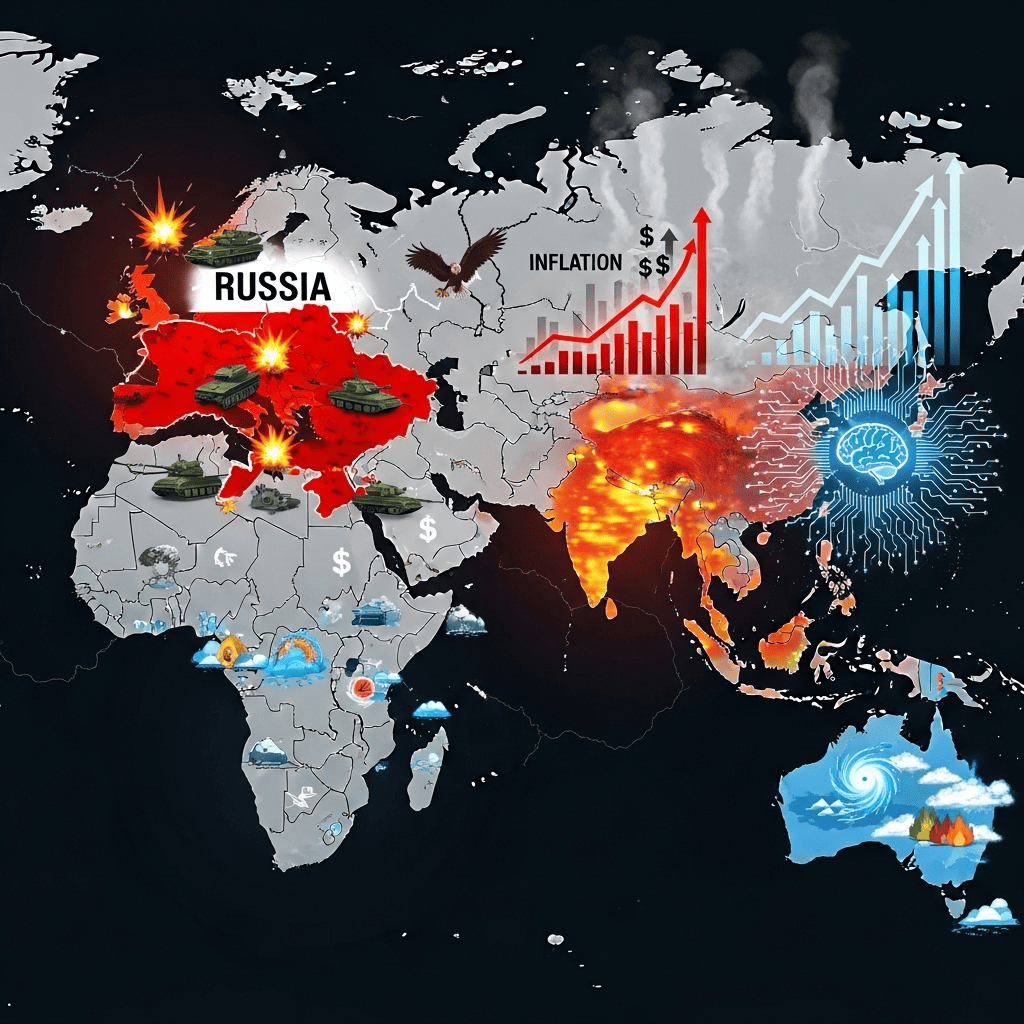
The corona pandemic shook all of humanity together. Millions of deaths occurred, jobs were lost for millions, economies fell into crisis, and trade and business became disrupted.
When corona came somewhat under control, people hoped that the world would return to normal. But instead, new crises emerged –
Russia-Ukraine war,
China-Taiwan tension,
Instability in the Middle East,
Inflation putting pressure on economies,
Technological competition and the rise of AI,
Increase in natural disasters (climate change).
All this together gives the impression that the world may never be peaceful and stable again after corona.

A common man — whether from India or America — basically needs three things:
Safety for himself and his family,
Employment and a limited income,
A peaceful life.
He is not concerned with war, political maneuvers, or major policies. He just wants to live happily with his family.
But when inflation rises, jobs are lost, corruption spreads, bullying increases, and life becomes difficult — the common man is forced to take to the streets.

(1) Economic Hardship
Inflation continues to rise.
Unemployment among youth is increasing.
The gap between rich and poor has widened.
The middle class bears the most pressure.

Corruption and Political Mismanagement
People expect transparency and justice from the government, but when the system is filled with corruption, trust breaks down.
Social Inequality
Issues of caste and religion, gender discrimination, injustice to minorities — all these generate dissatisfaction.

Pressure from Global Powers
Sometimes powerful countries implement their political or economic agendas by creating instability in smaller countries.

Media and Social Media
Today, social media allows ordinary people to connect quickly. Any incident can spark anger immediately, and protests gain global support.

Some experts believe that –
Large global corporate companies,
Weapon-producing nations,
Financial institutions (like IMF, World Bank),
And powerful countries,
together keep the world unstable for their benefit.
For example, wars benefit the arms industry, economic crises allow big companies to acquire resources cheaply, and dissatisfaction among people can bring political changes.
Therefore, for some, all this is not just “natural discontent” but a planned “global game.”
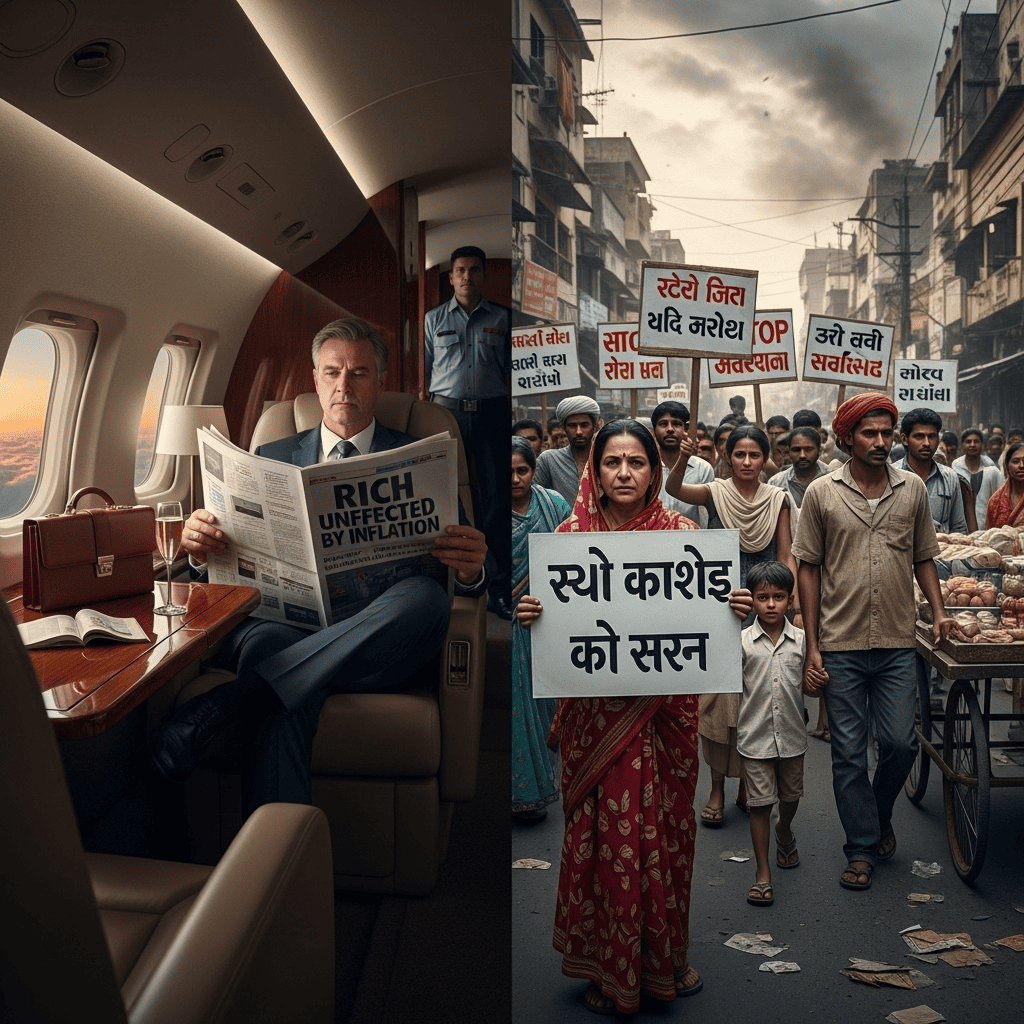
You wrote very well — “The rich are unaffected.”
Indeed, inflation, corruption, and bullying mainly affect the common people.
A wealthy person has money, security, and influence.
But a common man has none of these.
Hence, the largest share of protests is always by the middle and lower classes.

In which direction is the world moving?
Will there be another major global event (like corona)?
Are new tools (AI, digital currency, surveillance) being set up to control all humanity?
These questions are reasonable, but clear answers are with no one. Governments or authorities may know, but ordinary people are not given clarity.

When the world continues toward instability, at an individual level, a person should –
Be a conscious citizen,
Avoid false information and rumors,
Legally raise their voice for their rights,
Maintain coordination with family and society,
And most importantly — express protests peacefully, without violence.
Today, protests are increasing worldwide because people’s patience is running out.
After corona, humanity was moving forward with new hope, but new crises have frightened it again.
It is true that a common person does not want to be involved in war or political battles. He just wants a peaceful life with his family. But when his freedom or family is threatened, he will not remain silent.
Therefore, the essence of all today’s protests is —
“People are fighting to protect their existence, rights, and the right to live.”
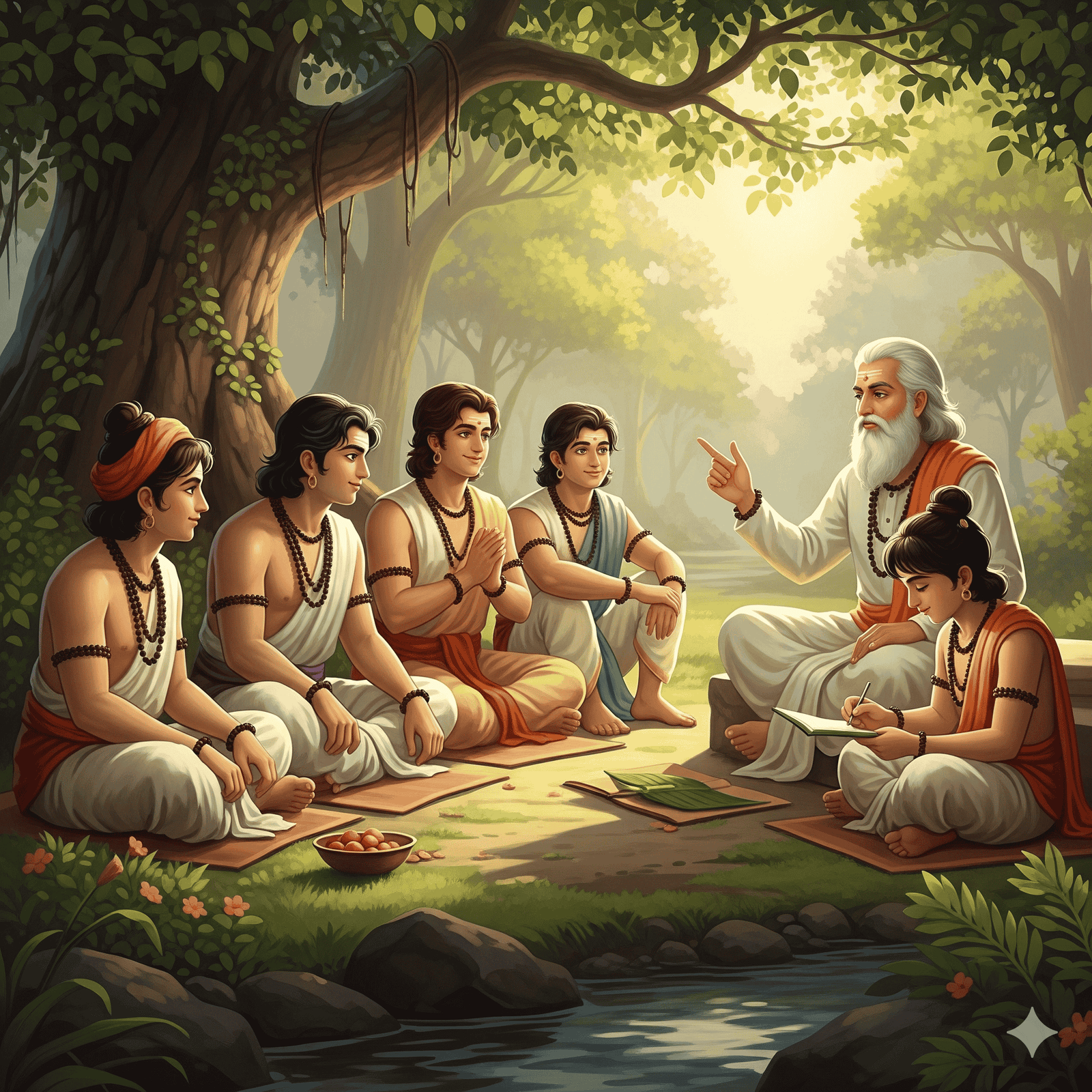
Mahabharata is not just a Purana, it is where Lord Shri Krishna revealed all his divine plays and also described the situations that people would have to face in the future. It is truly a treasure of life lessons. The five Pandavas – Yudhishthira, Bhima, Arjuna, Nakula, and Sahadeva – each possessed qualities that can inspire us in our daily lives and careers. In this blog, we will discuss the Top 5 Life Lessons we can learn from the Pandavas.
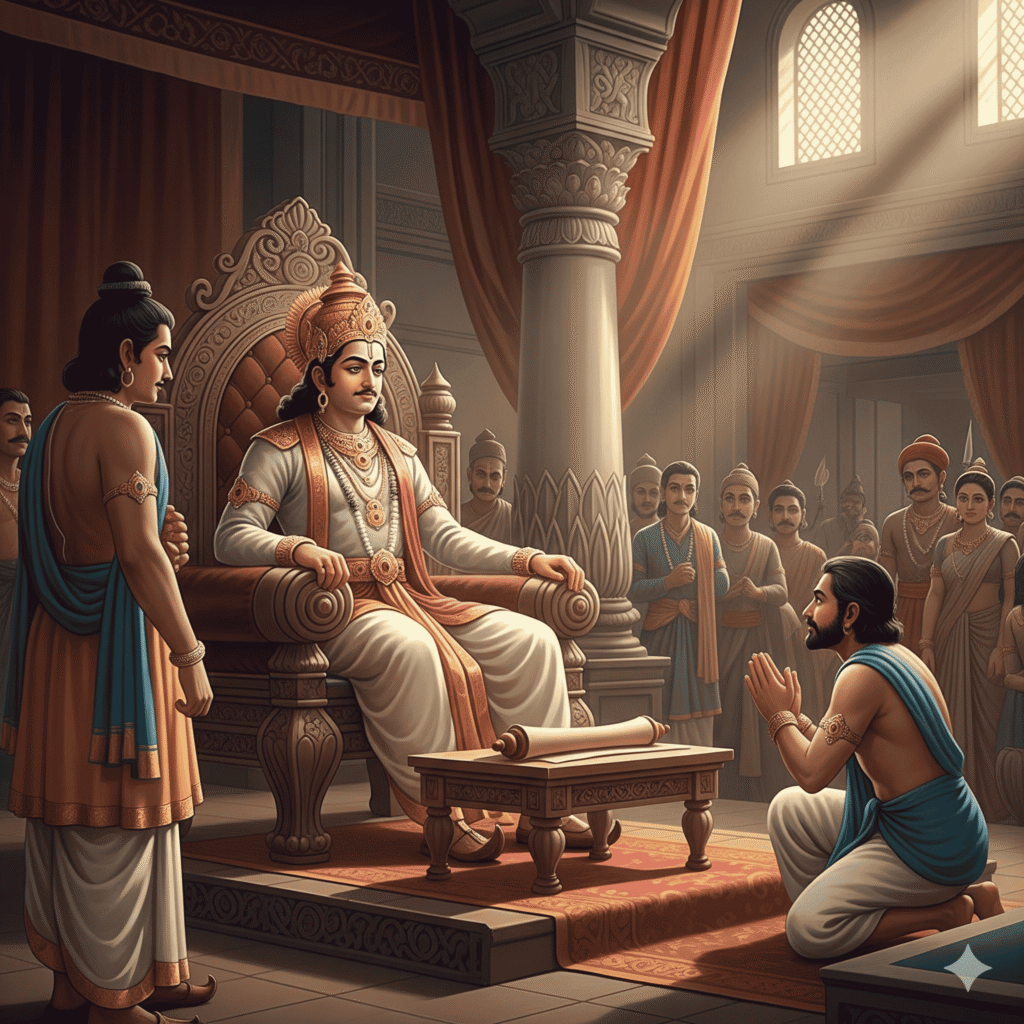
Yudhishthira, often referred to as Dharmaraja (the King of Dharma), embodies the core principles of truthfulness and justice. His life serves as a powerful testament to the idea that integrity is the ultimate form of currency.
In today’s fast-paced world, where trust can be a scarce commodity, Yudhishthira’s example is a strong reminder. In both business and personal relationships, trust is the foundation upon which everything is built. A commitment to honesty and fairness, much like Yudhishthira’s, fosters loyalty and creates a stable environment for growth and cooperation.
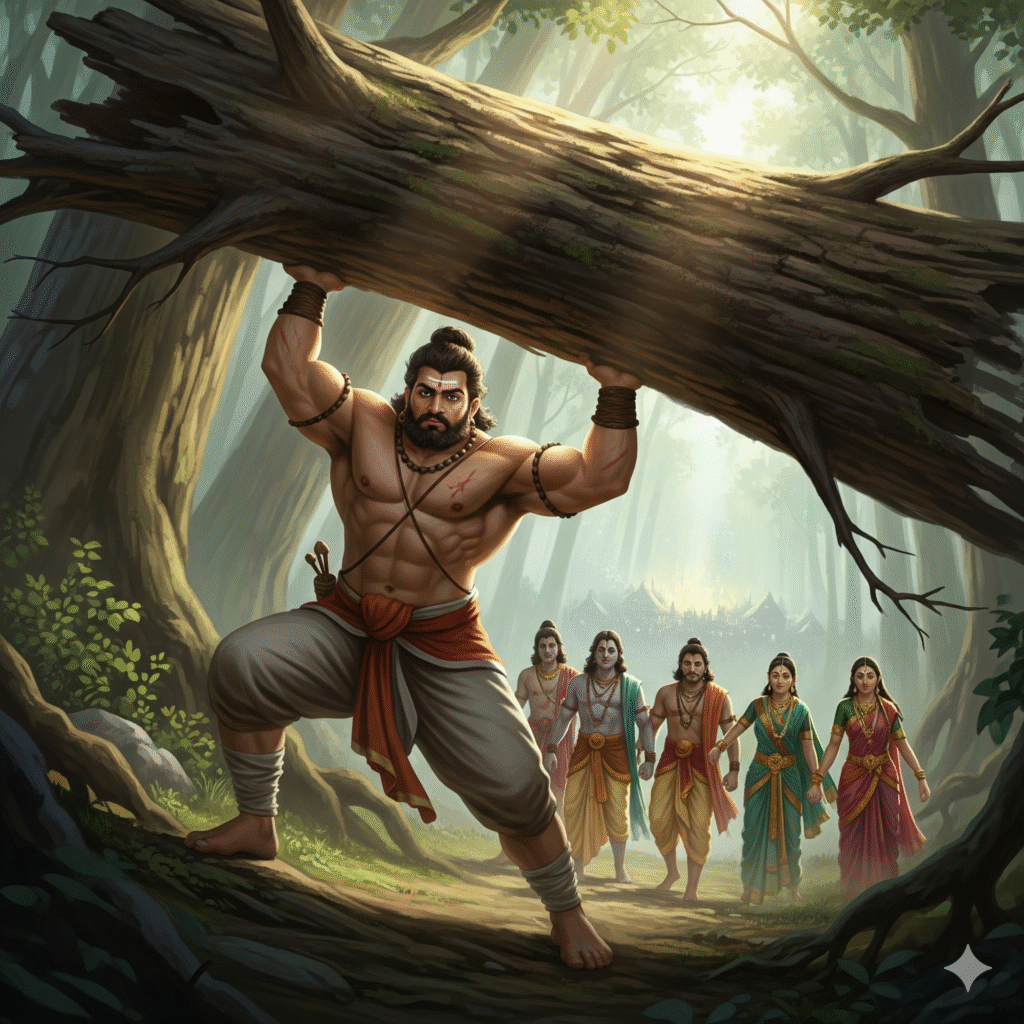
Bhima’s character in the Mahabharata teaches us a powerful lesson about the purposeful use of strength. He possessed immense physical power, but he used it not for personal glory, but for the protection of his family and the pursuit of justice.
This ancient lesson is highly applicable today. The strength we cultivate—whether it is physical fitness, mental resilience, or even social influence—should be used to support the weak and stand up for what is right. Taking care of your own well-being allows you to be a pillar of support for others in your life.
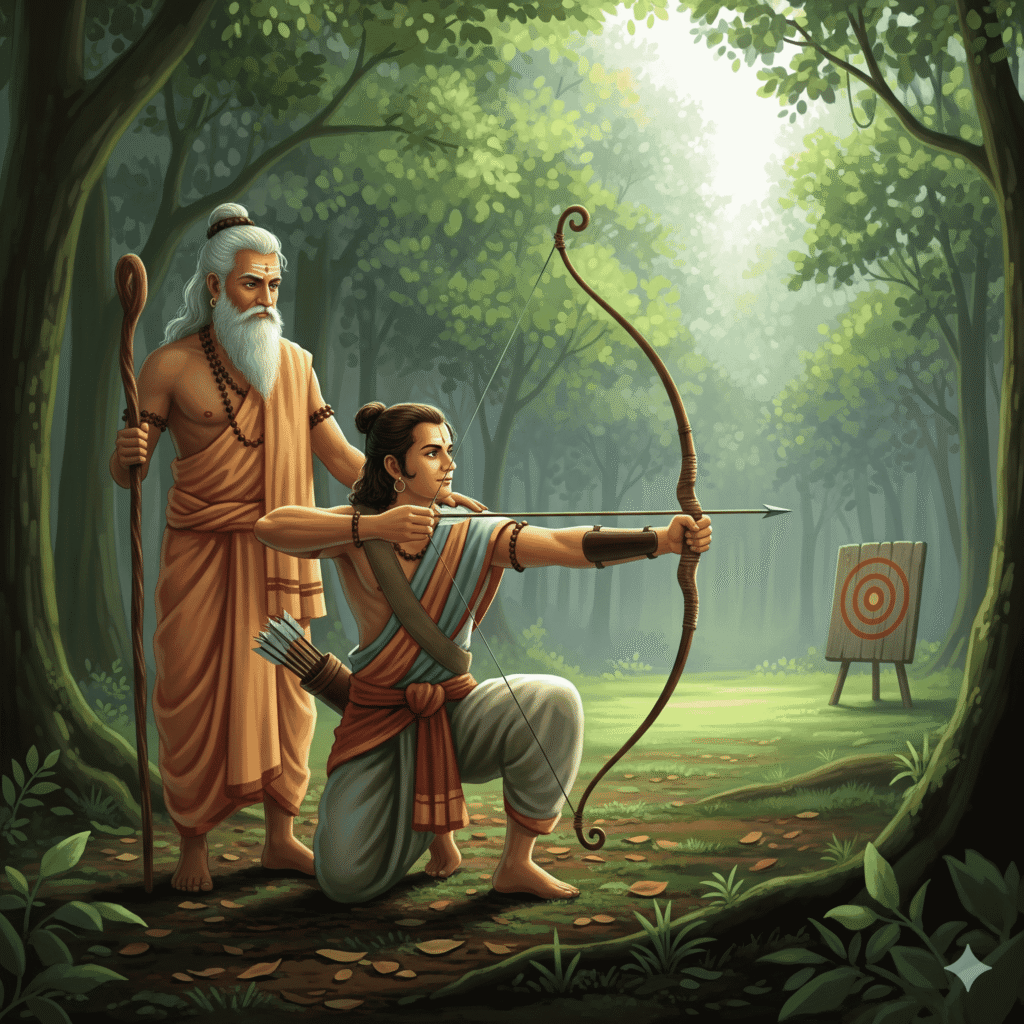
Arjuna’s unwavering focus and dedication made him the greatest archer of his time. His devotion to his guru, Dronacharya, and his single-minded approach to practice serve as an timeless example of how to achieve excellence.
The lesson from Arjuna’s life is that hard work, continuous practice, and a laser-like focus are the fundamental keys to success. In our lives today, whether in academics, a professional career, or a personal passion, staying focused on a goal and putting in the consistent effort required is the surest path to achieving it.
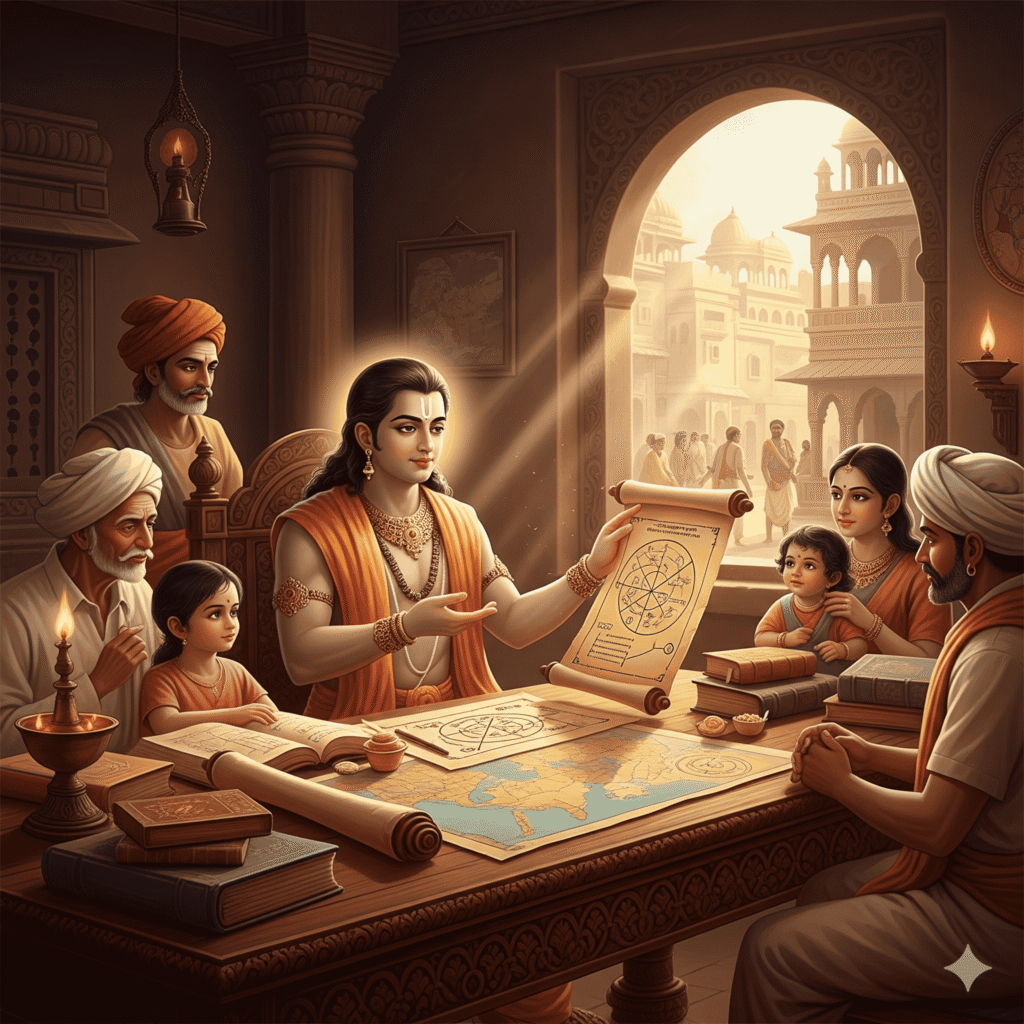
Sahadeva’s story reminds us that knowledge is a powerful asset, but it must be tempered with humility. Although he was an expert in astrology and was immensely intelligent, he never let his wisdom make him arrogant.
In today’s world, where information is readily available, the lesson is to keep learning continuously but to also use that knowledge for the welfare of society, not just for personal gain. True intelligence is not just about what you know, but how you apply that knowledge to help others.
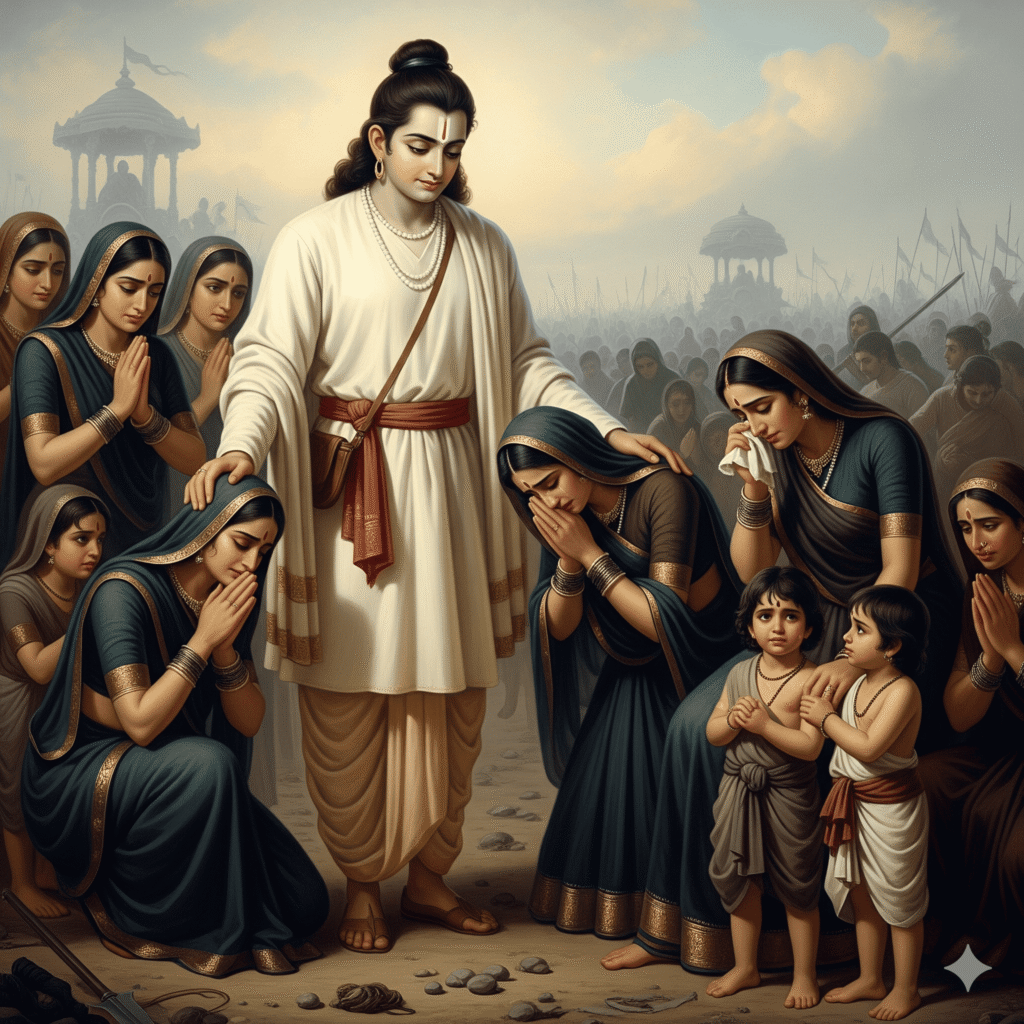
Nakula’s character highlights the importance of humility and inner beauty. While he was known for his striking handsomeness, his true greatness came from his kind and gentle nature, as well as his deep love for animals and nature.
This teaches us that true beauty extends far beyond physical appearance. By adopting the qualities of humility and showing compassion for the world around us, we can cultivate an inner beauty that makes us truly great. It’s a reminder to appreciate and take care of nature, and to act with grace and kindness towards all living things.
All five Pandavas had different qualities, but these qualities are equally inspiring even today.
From Yudhishthira → Truth and Dharma
From Bhima → Strength and Duty
From Arjuna → Focus and Excellence
From Nakula → Humility and Beauty
From Sahadeva → Knowledge and Wisdom
“Very well written I never realized that the Pandavas’ qualities could still guide us in business, relationships, and personal growth. A great reminder to stay focused and live with integrity.”

“7 Sept 2025 Total Lunar Eclipse: Exact timings, scientific facts, zodiac effects, rituals, and India’s astrological impact explained.”
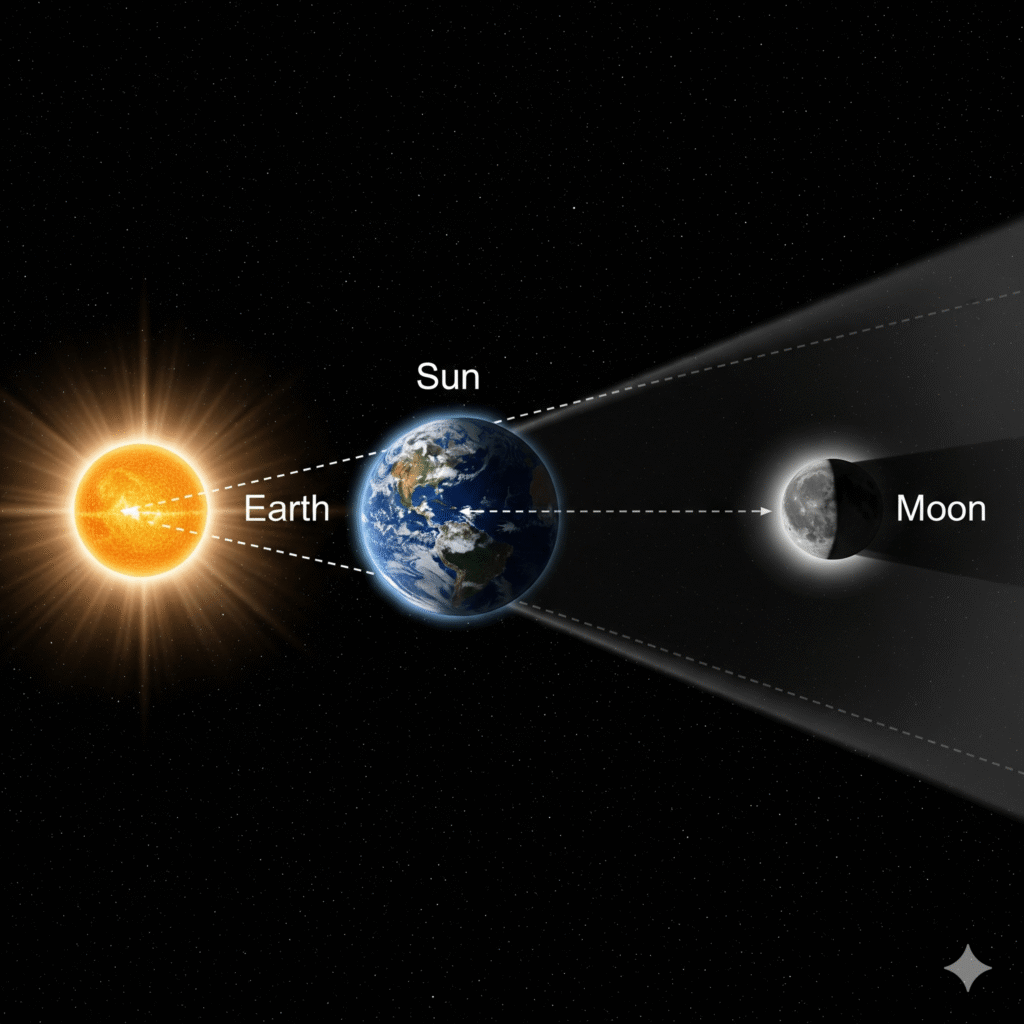
Sutak (inauspicious period): Begins at 12:57 PM
Penumbral Phase: 8:58 PM
Partial Eclipse: 9:57 PM
Total Eclipse (Totality): 11:00 PM – 12:22 AM (8th September)
Greatest Eclipse: 11:41 PM
End of Eclipse: 1:26 AM
During a lunar eclipse, the Earth comes directly between the Sun and the Moon. Sunlight passes through the Earth’s atmosphere and bends, casting a reddish-orange glow on the Moon, making it appear as a “Blood Moon.”
Scientifically, it has no harmful effects on human beings, nature, or society.
This eclipse occurs in Aquarius zodiac (Kumbh Rashi) under the Shatabhisha Nakshatra. The conjunction of Moon with Rahu indicates karmic shifts, sudden changes, and emotional turbulence.
Benefiting Signs:
Aries (Mesha): Growth in career, boosted confidence.
Scorpio (Vrishchik): Sudden financial gain, deep knowledge, foreign opportunities.
Sagittarius (Dhanu): Family happiness, academic success.
Pisces (Meena): Good health, spiritual progress.
Challenging Signs:
Taurus (Vrishabh): Financial issues, avoid risky investments.
Cancer (Karka): Family disputes, emotional stress.
Leo (Simha): Career obstacles, control anger.
Virgo (Kanya): Health concerns, work delays.
Capricorn (Makar): Unexpected expenses, business stress.
Aquarius (Kumbh): Mental unrest, relationship conflicts.
Mixed Results:
Gemini (Mithun): New opportunities but disputes with friends.
Libra (Tula): New relationships but inner restlessness.
Religious & Traditional Guidelines
Avoid cooking, eating, travel, and religious rituals during Sutak.
Place Tulsi leaves in food and water for protection.
Pregnant women should take extra precautions.
After the eclipse: take a holy bath, purify the home, perform prayers, and give charity.
Impact on India
Scientifically: No natural calamity or major harm is expected.
Astrologically: Possible political and social instability.
Economic Field: Unexpected fluctuations may occur.
Since this period coincides with Pitru Paksha, it is considered highly auspicious for ancestral remembrance, self-reflection, and charity.
Along with the upcoming Solar Eclipse on 21 September 2025, this lunar eclipse marks a period of major transformation and change for India.
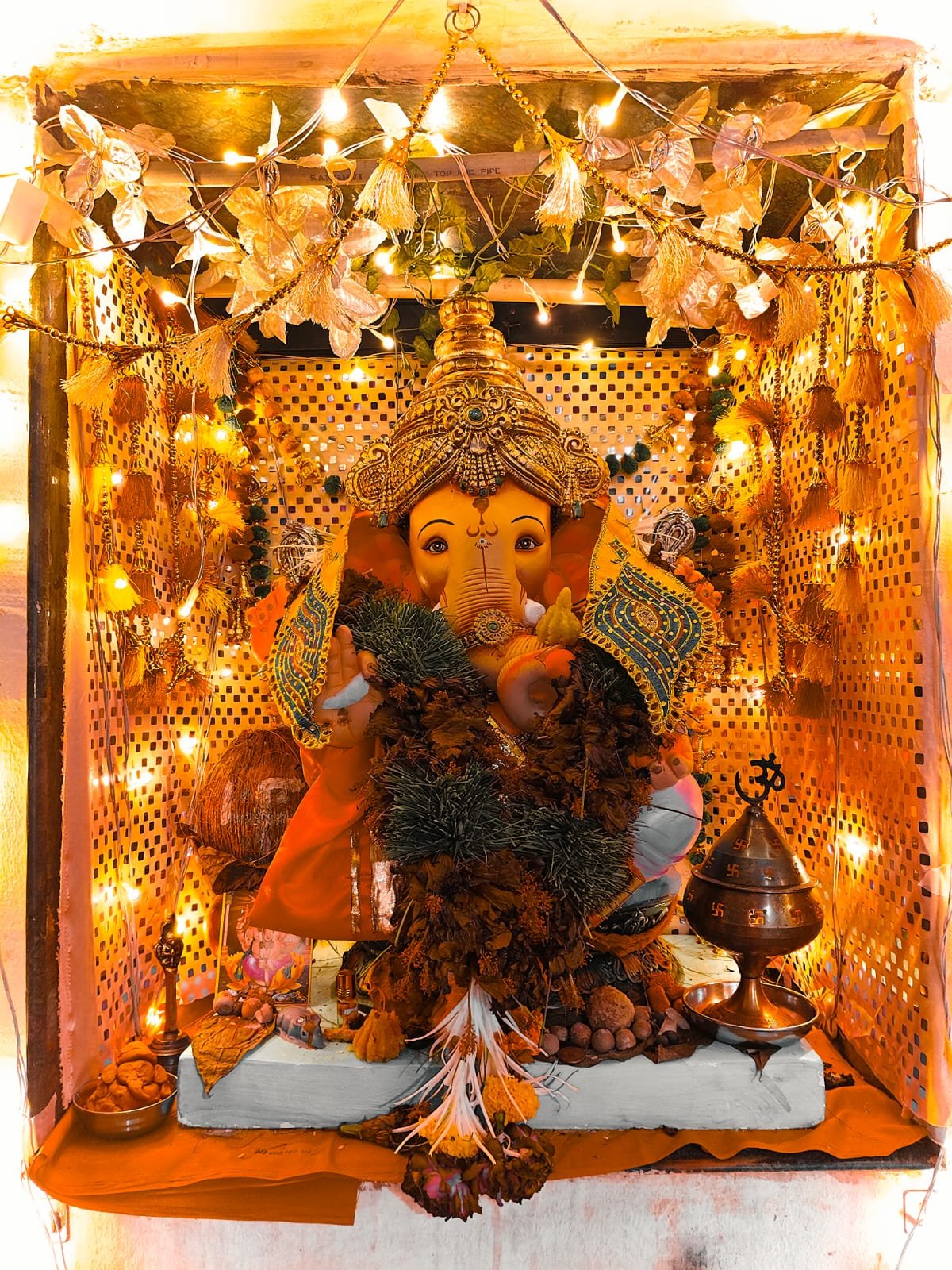
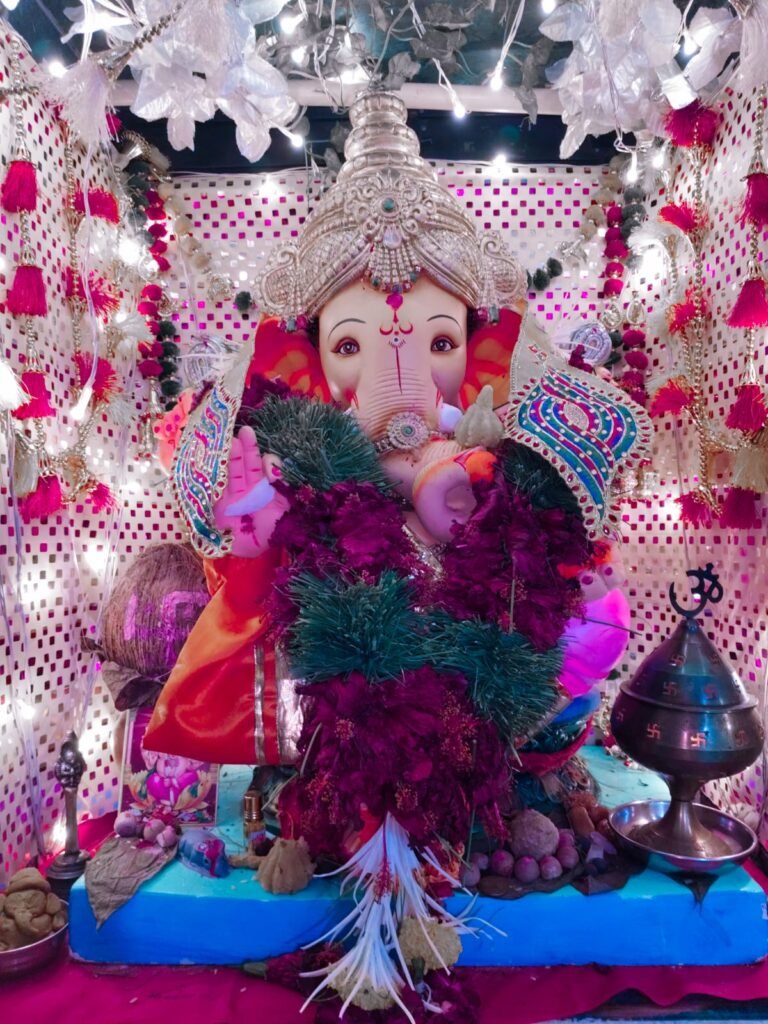
ભગવાન શ્રી ગણેશ ના આગમન થી લઈ ને વિશર્જન સુધી ઘર માં અથવા એક ખુશી અને આનંડ,ઉલ્લાસ અને ખુબ જ ખુશના માં દિવસ હોય છે,સાથે સાથે મન માં એક આનંદ અને ઉમંગ આવી જાય છે, કોઇ ૨ દિવસ તો કોઇ ૫ દિવસ તો કોઇ ૧૦ દિવસ ગણપતિ બાપ્પા ને બેસાડે છે,રોજ રોજ આરતી,પૂજા.પ્રસાદી,ગીત,સંગીત આનંદ પ્રમોદ થી ચારે તર્ફ નું વાતારણ થઈ ચુક્યુ હોય છે, પણ સાથે સાથે ભગવાન ગણપતિ આજે વિસર્જન છે તો ખુબ જ દુ:ખ થાય છે કેમ કે બાપ્પા આપણા થી એક વર્ષ સુધી દુર જતા રહ્યા છે હવે એક વર્ષ સુધી રાહ જોવી એ આપણા થી સહન નથી થઈ શકતુ, છતા પણ મન ને ગમે તેમ મનાવી ને આ દિવસ ને હસી ખુશી સાથે પસાર કરીયે છીએ.
ગણપતિ બાપ્પા નું કપાળ આપણ ને શુ શીખવે છે ?
જીવન માં હમેશા મોટા વિચારો રાખવા અને હમેશા ઉચુ અને સત્ય વિચારવું
ગણપતિ બાપ્પા નું નાની આંખો આપણ ને શુ શીખવે છે ?
જીવન માં આપણો કોઇપણ એક ગોલ હોવો જોઈએ અને તે પણ એકાગ્રતા અને ધ્યાન પુર્વક હોવો જોઈએ તેના માટે નાની વાતો ને પણ ખુબ જ ધ્યાન આપવું જોઈએ.
જીવનમાં નાની નાની વાતો પર ધ્યાન આપવું.
ગણપતિ બાપ્પા નું મોટા કાન આપણ ને શુ શીખવે છે ?
જ્યારે કોઇ પણ પરિસ્થિતિ હોય પહેલા સામેવાળ ને સાંભળો, અને પછી બોલો અને બીજુ નું સાંભળેલે કયારે કોઇ વાત ને સાચી ન માની લેવી,સારી વાત અને જીવન માં કામ આવે તેવી વાત યાદ રાખો અને જે કામ ની વાત નથી તેને બીજા કાન થી બહાર જવા દો.
→ દરેકની વાત ધીરજથી સાંભળવી.
ગણપતિ બાપ્પા નું ટૂંડી સૂંડ આપણ ને શુ શીખવે છે ?
→ જીવન પણ એવુ લચક અને સારા સુંગધીત્ રાખવુ કે સમય અને પરિસ્થ્તી ભલે ગમે તેવી એવી હું દરેક પરિસ્થિતિ માં મારા જીવન ને હું સેટ કરી દઈશ.કોઇ પણ પ્રકાર ના અફસોસ કે દુ:ખ વગર
→ જીવનમાં પરિસ્થિતિ પ્રમાણે સ્વભાવ બદલવાની શક્તિ.
ગણપતિ બાપ્પા નું મોટું પેટ આપણ ને શુ શીખવે છે ?
→ ધીરજ અને ક્ષમાશીલતા.
જીવન માં આવેલ કોઇપણ પ્રકાર ની પરિસ્થિતિ કે કોઇપણ પણ પ્રકાર ની વાત જે હમેશા આપણા જીવન માં પરેશાની ઉભી કરી હોય તેને પચાવી પાડવી અને આગળ વધવું
→ દરેક વાતને શાંતિથી પચાવવાની શક્તિ.
ગણપતિ બાપ્પા નું ચારો હાથ આપણ ને શુ શીખવે છે ?
અંકુશ (Goad) → મનને હમેશા પોતાના નિયંત્રિત માં રાખવું નહી કે તેના નિયંત્રિત માં આવી જવું
પાશ (Noose) → જીવન માં નકારાત્મકતાને એટલે કે ખરાબ વિચારો અને પોતાનો ગુસ્સો કાબૂમાં રાખવું.
લાડુ/મોદક → મહેનત પછીનું મીઠું ફળ.
આશીર્વાદ મુદ્રા → ભક્તોને સુરક્ષા અને આશીર્વાદ.
ગણપતિ બાપ્પા નું મૂષક વાહન આપણ ને શુ શીખવે છે ?
→ નાની થી નાની શક્તિનો પણ ઉપયોગ કરી શકાય છે.
→ ઈચ્છાઓને કાબૂમાં રાખો.
ત્રિકોણાકાર તિલક
→ ભૂતકાળ, વર્તમાન અને ભવિષ્ય પર નિયંત્રણ.
ગણેશજીની બેઠાડું સ્થિતિ
→ એક પગ ધરતી પર અને બીજો ઉપાડેલો –
→ દુનિયાના કાર્યોમાં રહો, પણ આધ્યાત્મિકતા ભૂલશો નહીં.
આ માહીતી આપ્ન ના જીવન માં કામ આવી હોય તો પ્લીઝ અને લાઈક અને કોમેંટ કરવી.જય શ્રી ગણેશ,ગણપતી બાપ્પા મોરીયા,ઘી માં લાડુ ચોળીયા.
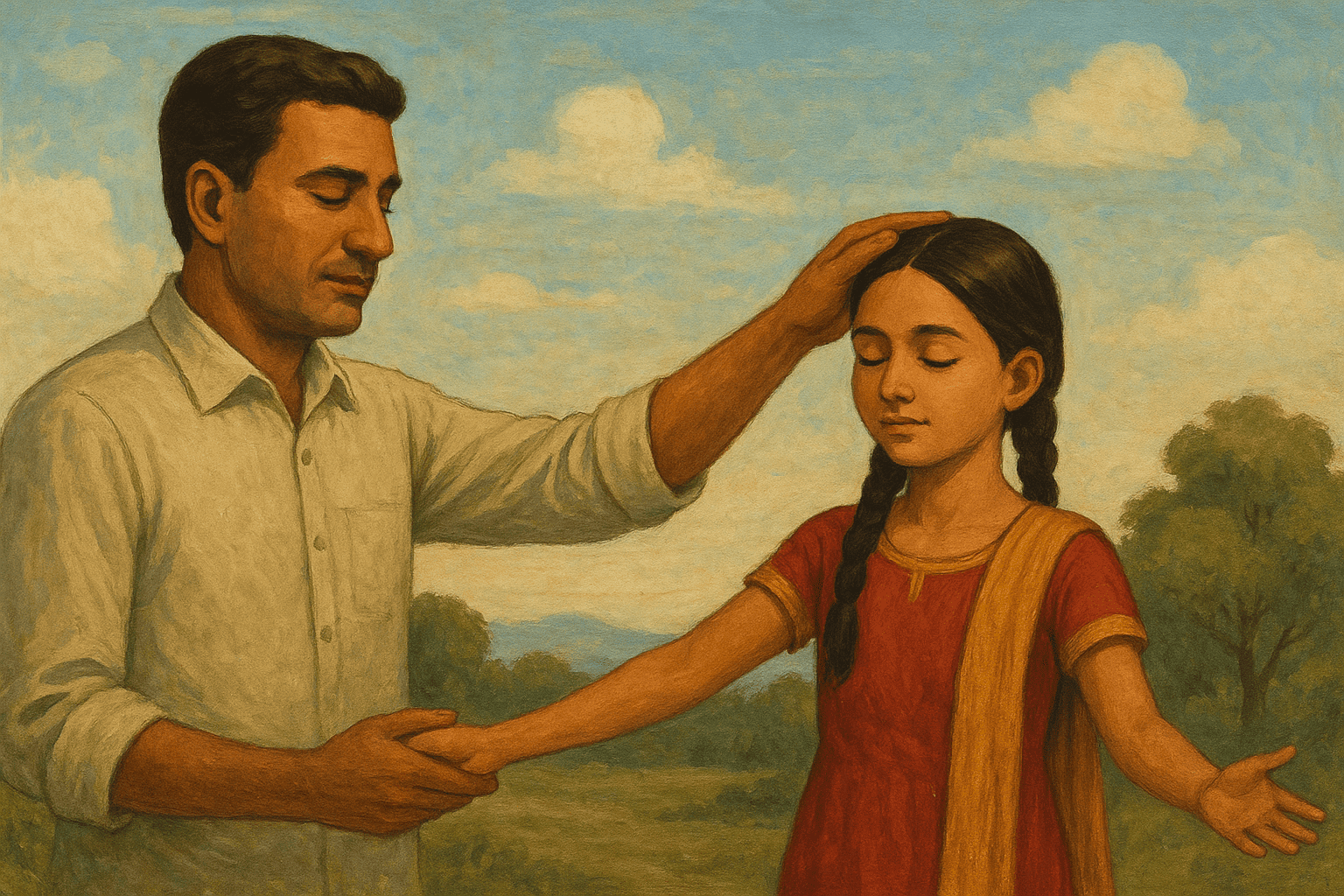
આજના આધુનિક યુગમાં દીકરીને દીકરાની સરખામણીમાં કોઈપણ પ્રકારનો ભેદભાવ રાખવામાં આવતો નથી. પિતા તરીકે દરેક પુરુષ પોતાના ઘરઆંગણે દીકરીને એટલો જ દરજ્જો આપે છે જેટલો દીકરાને આપે છે. તેને ભણાવવી-ગણાવવી, તેની ઇચ્છાઓ પૂરી કરવી અને એને જીવનમાં આગળ વધવા માટે પ્રોત્સાહિત કરવી – આ બધું પિતાની પ્રથમ ફરજ છે. આજના સમયમાં મોટાભાગના પિતા દીકરીને પોતાની ક્ષમતા મુજબની તમામ સુવિધા આપે છે, એટલું જ નહીં પરંતુ તેની ખુશી માટે પોતાનું બધું ત્યાગ કરવા તૈયાર રહે છે.
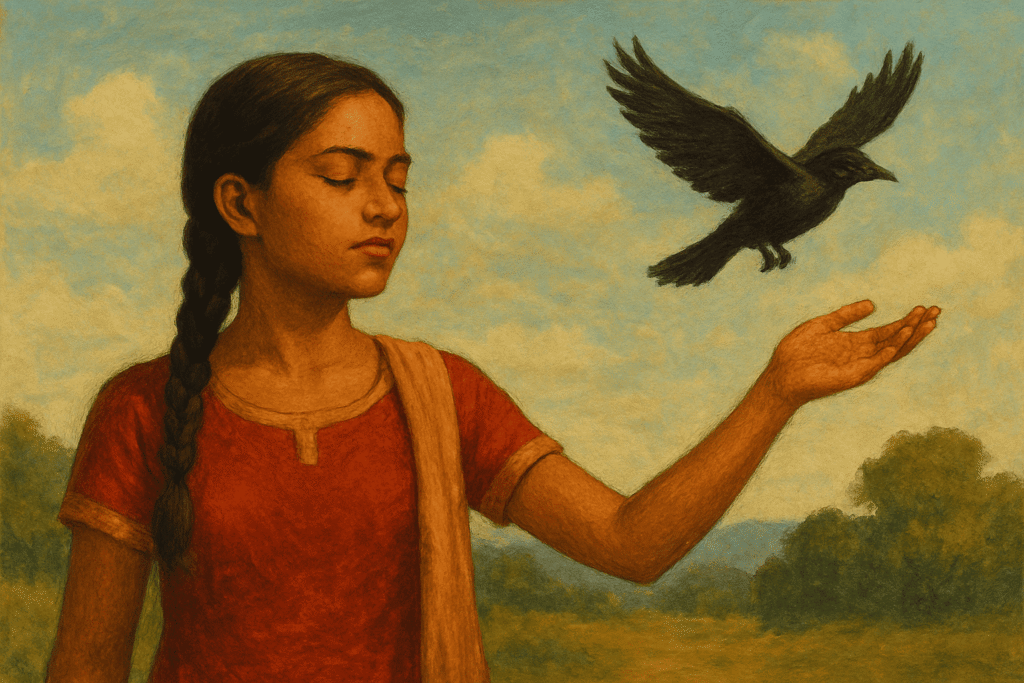
પરંતુ જો આપણે ભૂતકાળ તરફ નજર કરીએ તો ત્યાં એક મોટો તફાવત દેખાય છે. પહેલાંના સમયમાં દીકરી પોતાના માતા-પિતા અને વડીલો પ્રત્યે ખૂબ આદર, સંમાન અને શ્રદ્ધા રાખતી. ઘરના નિયમોનું પાલન કરતી અને પોતાની મર્યાદાઓમાં રહીને જીવન જીવતી. આજે, સ્વતંત્રતા અને આધુનિકતાની દોડમાં, કેટલીક દીકરીઓ માતા-પિતાના હૃદયને સમજવા કરતાં પોતાની પસંદગી અને પોતાની દુનિયાને વધારે મહત્વ આપે છે.
સાચું તો એ છે કે આજનો પિતા દીકરીને પુત્ર જેવી જ સ્વતંત્રતા આપે છે – અભ્યાસ, નોકરી, મિત્રો, ફેશન, પ્રવાસ – દરેક ક્ષેત્રમાં. પરંતુ આ સ્વતંત્રતા સાથે ઘણી વખત એક ખાલીપો પણ આવી જાય છે. પિતા-દીકરી વચ્ચેની પારદર્શિતા ઘટે છે. આજના યુગમાં ઘણી દીકરીઓ પોતાની વ્યક્તિગત બાબતો, પોતાના મિત્રવર્તુળ કે રોજિંદા કાર્યો વિષે માતા-પિતાને ખુલ્લેઆમ નથી કહેતી.
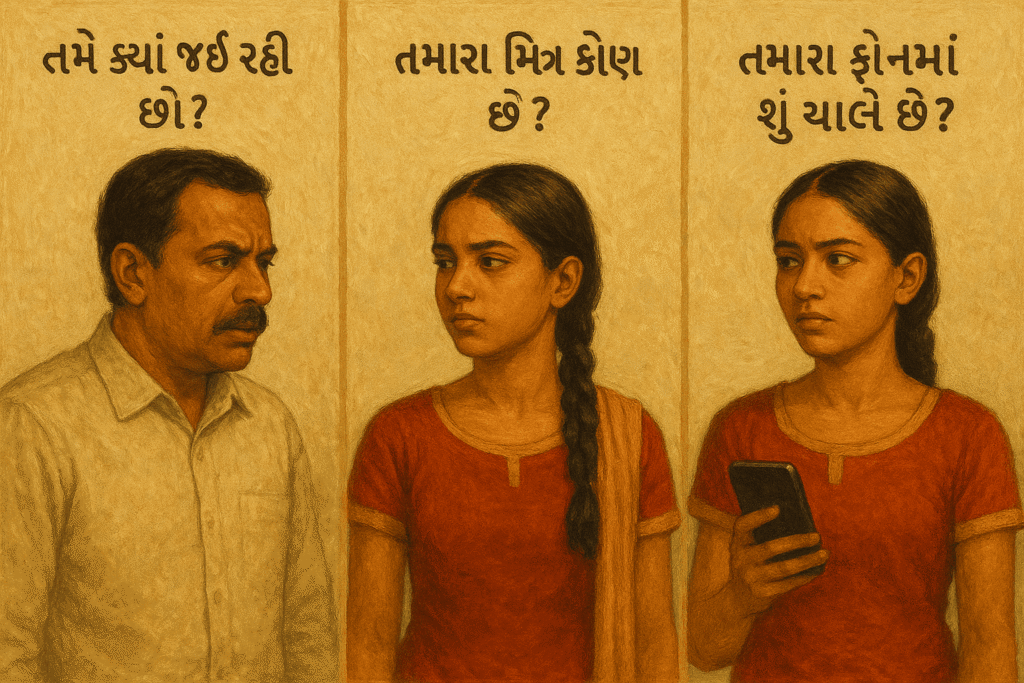
આવી સ્થિતિમાં જો પિતા પોતાની દીકરીને પૂછે કે –
👉 “તમે ક્યાં જઈ રહી છો?”
👉 “તમારા મિત્ર કોણ છે?”
👉 “તમારા ફોનમાં શું ચાલે છે?”
તો ઘણી વખત દીકરીને આ પ્રશ્નો બાધક લાગે છે, તેને ગુસ્સો આવે છે અને એ કહે છે – “મારા પર વિશ્વાસ નથી?”
હકીકતમાં વાત વિશ્વાસની નથી, વાત છે ચિંતાની. પિતા તરીકે દિલમાં ફક્ત એટલી જ ઈચ્છા હોય છે કે દીકરી ખોટી દિશામાં ન જાય, ખોટી સંગતમાં ન ફસાય અને ક્યારેક કોઈ અનિચ્છનીય પરિસ્થિતિમાં ન ફસાય.
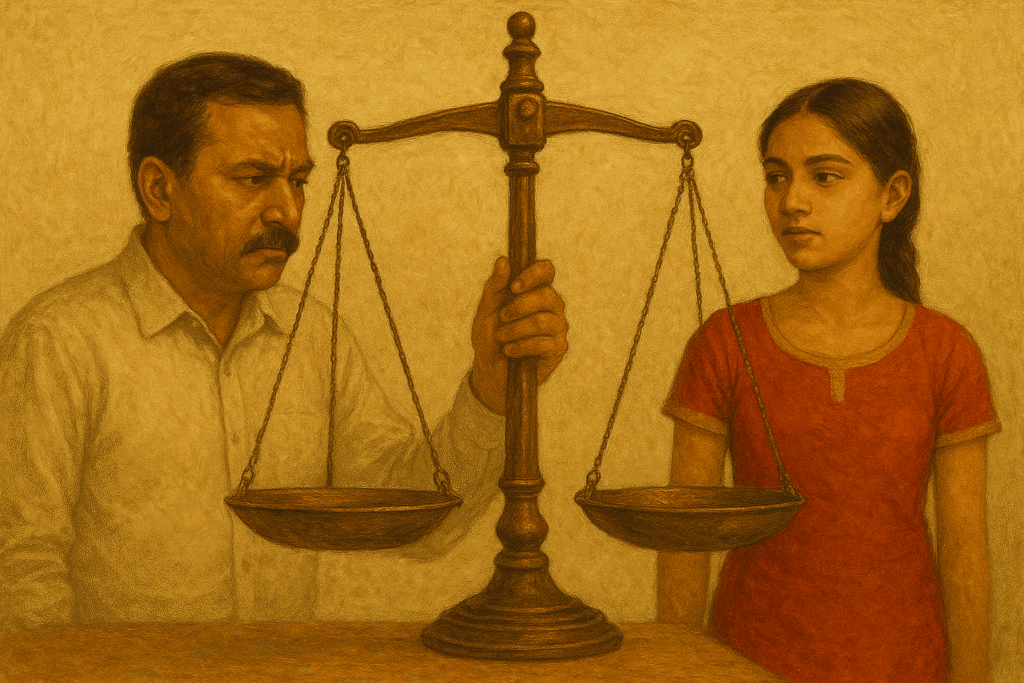
પિતાની ફરજ એ છે કે દીકરીને ભરપૂર આઝાદી આપે, પણ એ સાથે તેની સંગત પર નજર રાખે. તે કોની સાથે છે, કયા પ્રકારના લોકો સાથે સમય વિતાવે છે અને શું વિચારોમાં પડી રહી છે – એની જાણકારી હોવી જરૂરી છે.
દીકરીને મિત્ર સમાન વાતાવરણ આપવું જોઈએ જેથી તે કોઈ વાત છુપાવે નહીં.
ફોન, સોશિયલ મીડિયા કે બહાર જવાના મુદ્દે પારદર્શકતા રહે એ માટે નાજુક રીતે સમજાવવું જોઈએ.
દીકરીને સતત રોકવા-ટોકવાની જગ્યાએ એને સમજાવવી જોઈએ કે માતા-પિતા તરીકે આપણું કામ એની સુરક્ષા છે.
દીકરીને સ્વતંત્રતા આપતા આપતા સંસ્કારોથી જોડાવું એ જ પિતાની મોટી ફરજ છે.
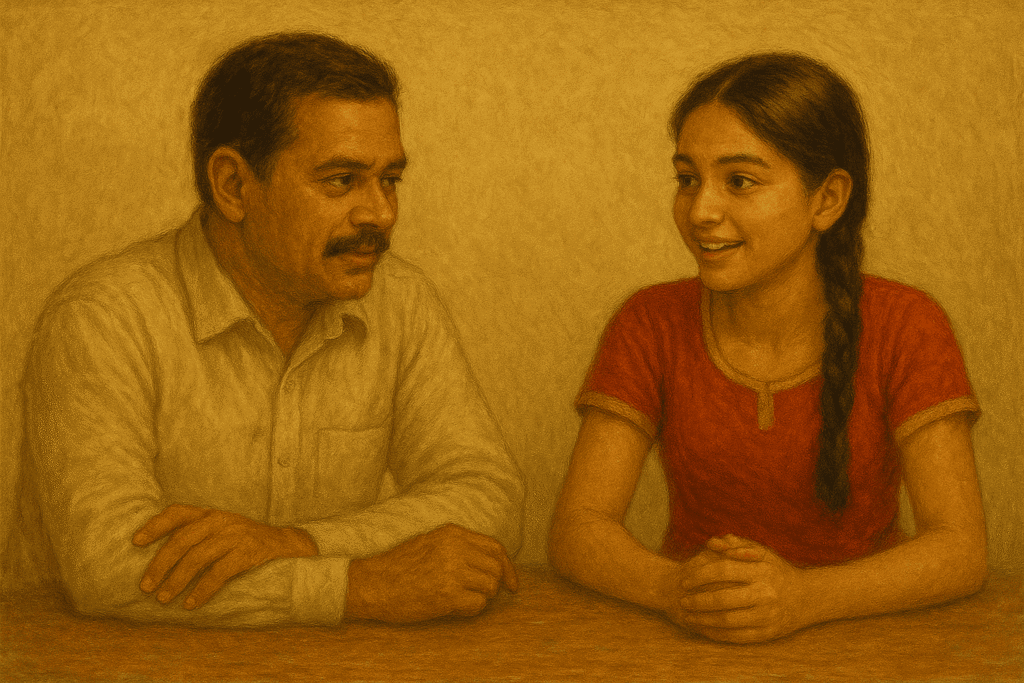
આજે ઘરમાં દાદી-નાની કહેલી વાતો, મૂલ્યો, પરંપરાઓ ધીમે ધીમે ભૂલાઈ રહી છે. મોબાઈલ અને ડિજિટલ જીવનમાં બાળકો અને ખાસ કરીને દીકરીઓ પોતાના જ વિશ્વમાં ખોવાઈ જાય છે. એ સમયે પિતાની ફરજ છે કે દીકરીને આધુનિકતાની સાથે સંસ્કાર અને પરિવારની ગરમી પણ અનુભવાય.
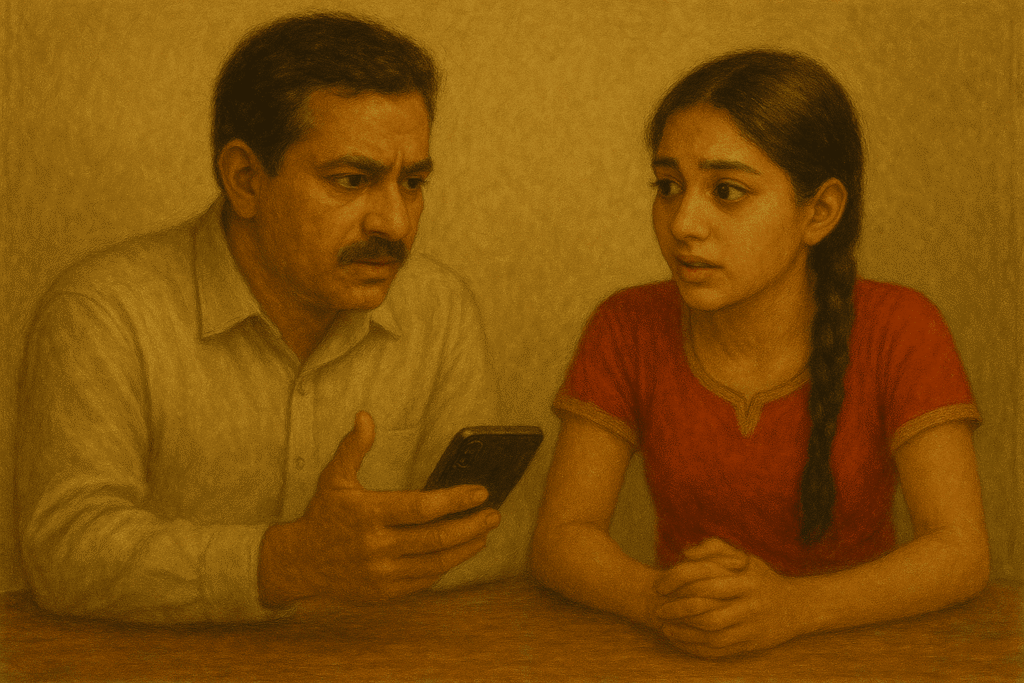
દીકરીને આઝાદી આપવી એ જરૂરી છે, કેમ કે એ વિના એ પોતાના સપના સાકાર કરી શકશે નહીં. પણ એ આઝાદી સાથે સંસ્કાર, સન્માન અને જવાબદારીનો પાઠ આપવો એ પણ એટલું જ મહત્વનું છે.
આજના યુગમાં પિતાની સૌથી મોટી ફરજ એ જ છે કે દીકરીને આઝાદી સાથે સંસ્કાર મળે અને એ જીવનમાં પોતાની ઓળખ બનાવી શકે.આ માહીત્તી આપ ને કામ આવી હોય તો પ્લીઝ કોમેંટ જરૂર કરવી
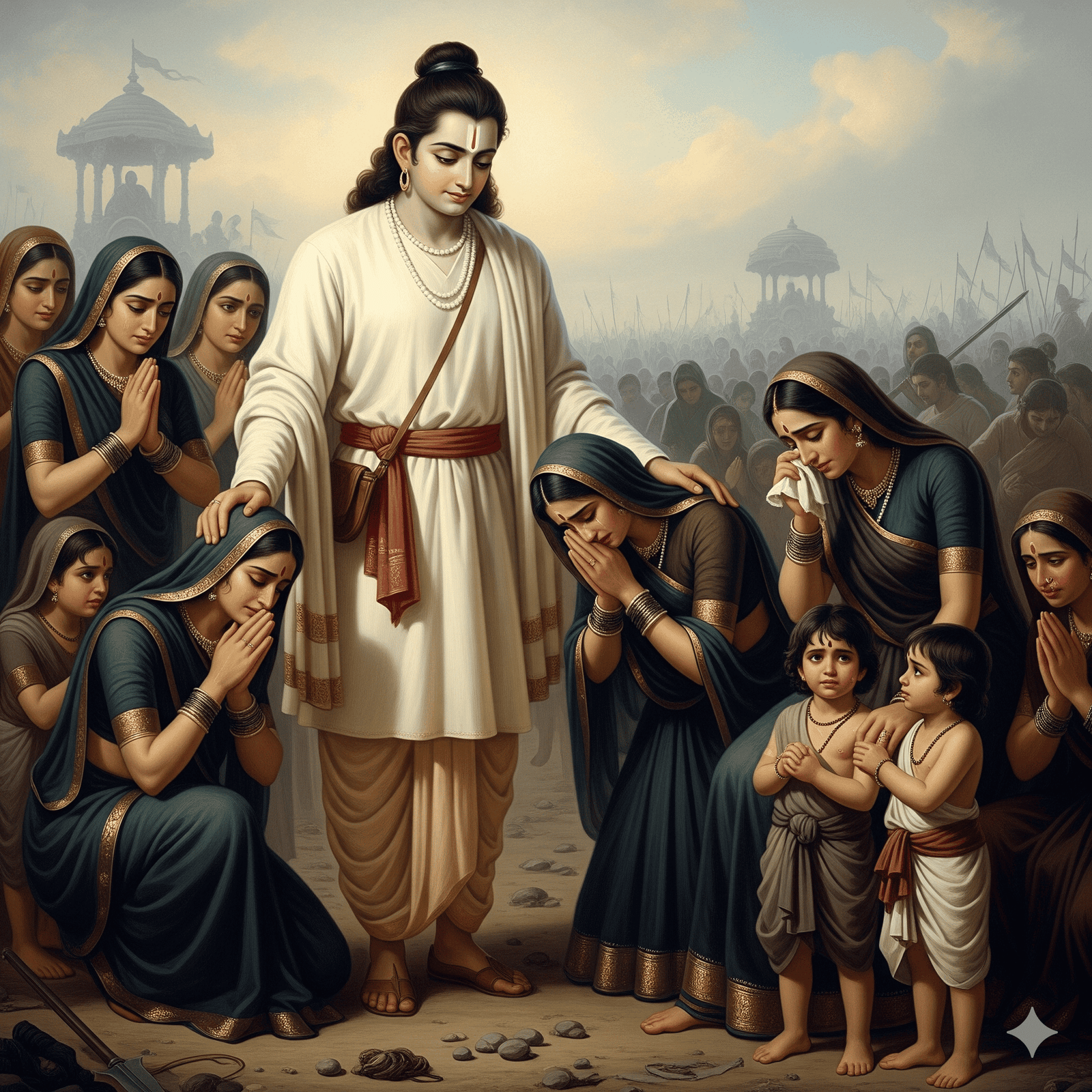
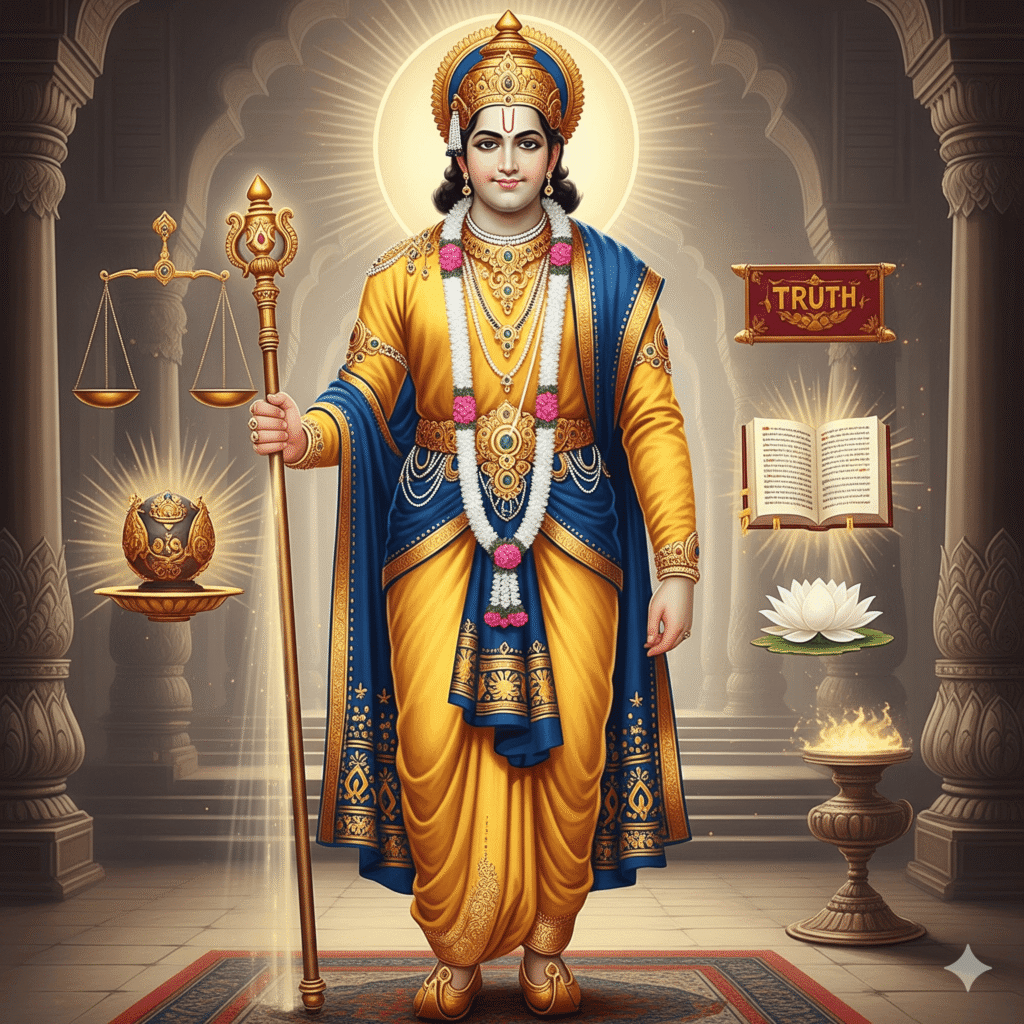
આજ ની યુવા પેઢી ને નહી ખબર હોય કે મહાભારત ના મહાન કિરિદારો આવનારી પેઢી ને શુ શુ શીખ આપી ગયા છે,એ આજે પણ દરેક સમય માં કામ આવે છે, તેમાંથી એક છે ધ્ર્મરાજ યુધિષ્ઠિર છે,જે પાંડવોમાં સૌથી મોટો ભાઈ હતો. તેમના પિતા પાંડુના આશીર્વાદથી તથા યમધર્મરાજના અંશરૂપે તેમનો જન્મ થયો હતો. તેઓ હંમેશા સત્ય, ન્યાય અને ધર્મને સર્વોપરી માનતા હતા.
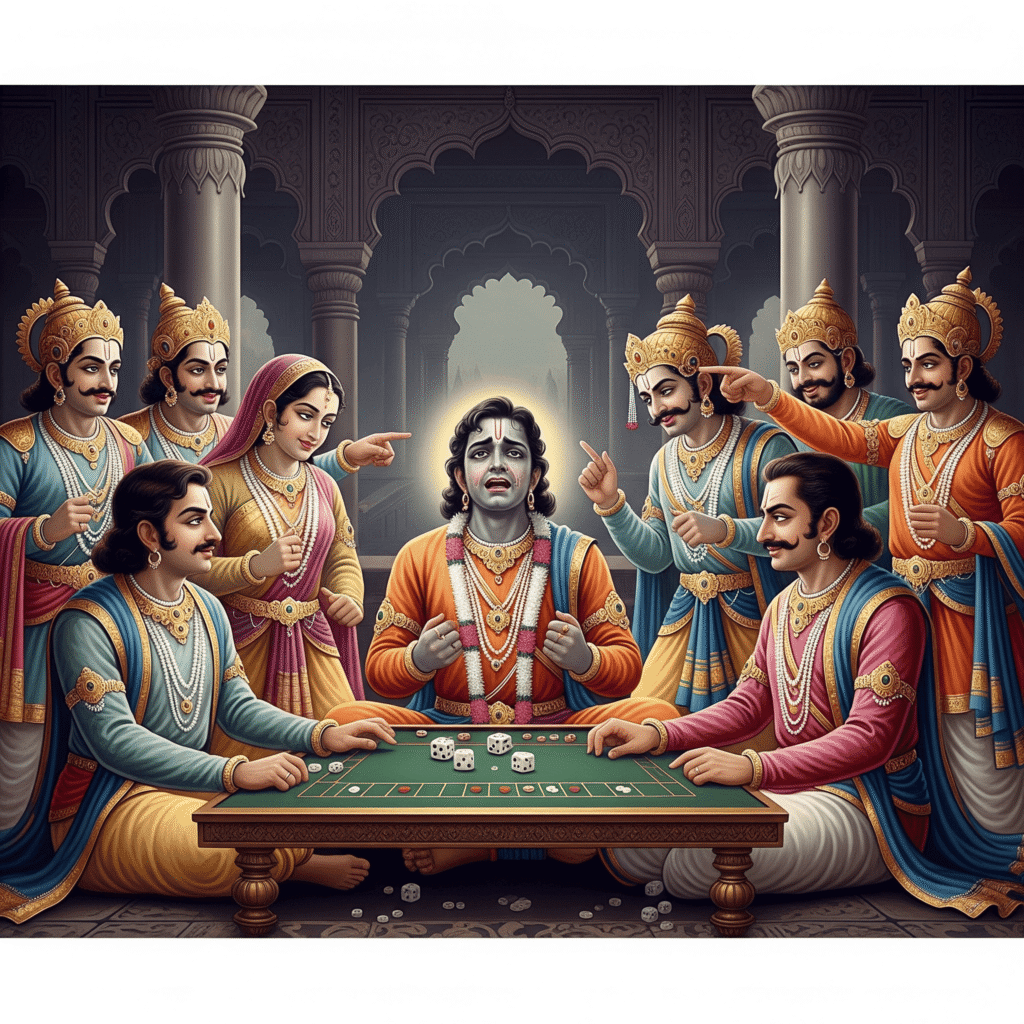
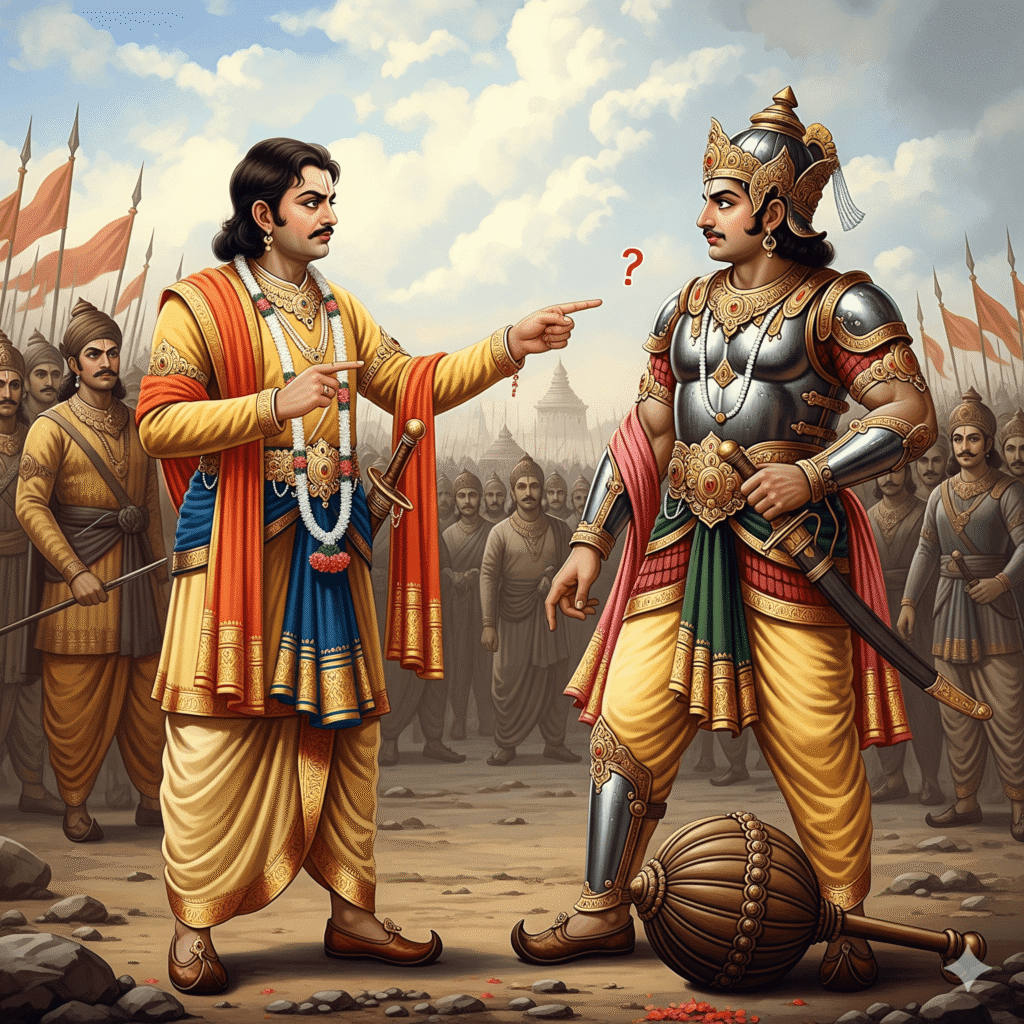
ક્ષમા અને ન્યાય
યુધિષ્ઠિર દ્વારા અપાયેલા શ્રાપો
મૂળ મહાભારતના કેટલીક અધ્યાયોમાં તથા પછીના પુરાણો, ઉપાખ્યાનમાં ઉલ્લેખ મળે છે કે યુધિષ્ઠિરે કેટલાક શ્રાપો આપ્યા હતા.
🔹 આજ સુધીની અસર
સ્ત્રીની ભાવનાત્મક શક્તિથી પરિવર્તન કે વિનાશ – બંને શક્ય છે.
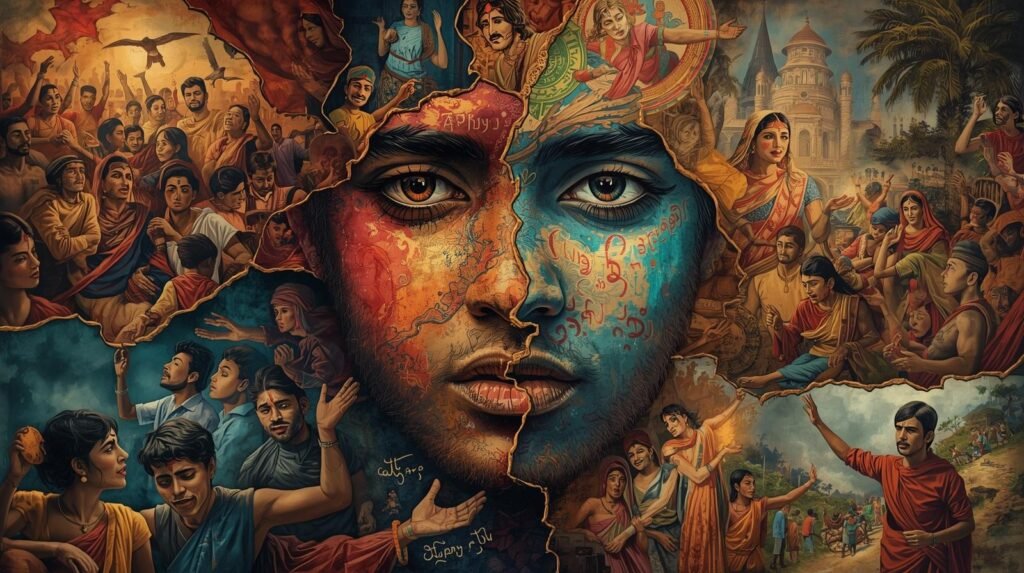
નોકરીમાં પણ જ્યા પણ જાવ ત્યા એગ્રેજી ભાષાની માંગ હોય છે,એગ્રેજી આવડવું એ યોગ્ય છે પણ એના કારણે કોઇ નોકરી કે કોઇ ની સ્કિલ ના જોવા માં આવે તે યોગ્ય નથી.
આજે મોટાભાગની કંપનીઓમાં અંગ્રેજી આવડવું જરૂરી છે, કેમ કે તે આંતરરાષ્ટ્રીય કોમ્યુનિકેશનની ભાષા છે. પરંતુ નોકરીમાં સફળ થવા માટે માત્ર અંગ્રેજી પૂરતું નથી.

પ્રોફેશનલ દેખાવ માટે અંગ્રેજીનો ઉપયોગ
આપણા સમાજમાં એક માન્યતા બની ગઈ છે કે અંગ્રેજી બોલનાર પ્રોફેશનલ લાગે છે. હોટેલમાં, સ્કૂલોમાં, ઓફિસોમાં આપણે અંગ્રેજી બોલીને પોતાને અલગ દર્શાવવાનો પ્રયત્ન કરીએ છીએ.
પણ સવાલ એ છે –
કામની સ્કિલ અને ભાષા
કોઈ વ્યક્તિ અંગ્રેજી બોલે એટલે એના પાસે સ્કિલ છે એ જરૂરી નથી.
સ્કિલ એટલે –
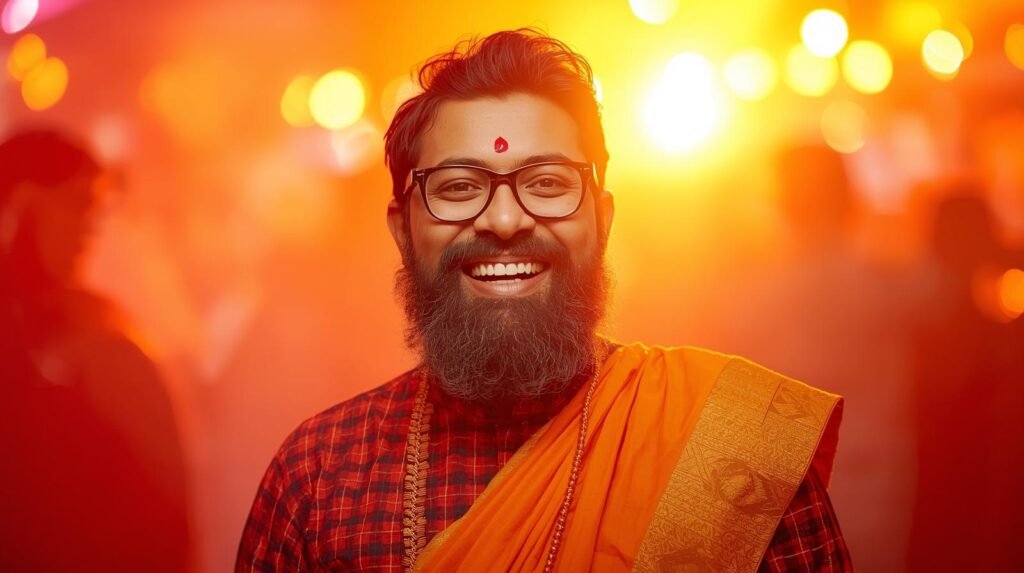
સાહિત્ય અને વારસો
ગુજરાતીના મહાન કવિઓ, સંતો અને લેખકોએ સંસ્કૃતમાંથી ગુજરાતી ભાષામાં ગ્રંથો લખ્યા.
જો આ બધું ફક્ત સંસ્કૃતમાં જ રહેતું તો સામાન્ય લોકો સુધી ક્યારેય ન પહોંચી શકાત.
પછી જ આ ગ્રંથો અંગ્રેજીમાં અનુવાદિત થયા. એટલે જ આપણે ગર્વથી કહી શકીએ કે ગુજરાતી ભાષાએ જ અમને જ્ઞાનનો વારસો આપ્યો છે.
ગૌરવ રૂપે ગુજરાતી
અંગ્રેજી શીખવું ખરાબ નથી – એ આપણી જરૂરિયાત છે, દુનિયા સાથે જોડાવું હોય તો આવડવી જ જોઈએ.
પણ સાથે સાથે માતૃભાષા પ્રત્યે ગર્વ હોવો જોઈએ.
ગુજરાતી ભાષા આપણા માટે શરમ નહીં, ગૌરવ છે.
અંગ્રેજી જરૂરિયાત માટે શીખવી જોઈએ, પરંતુ ગુજરાતી બોલવામાં ક્યારેય અપરાધભાવ ન હોવો જોઈએ.
સાચો શિક્ષિત તે જ છે જે –
“Through anger, you lose the five most important elements of life.”

Happiness
Love
Virtue (Good Deeds)
God (Divine Connection)
Why and How do we lose them through anger?
Once upon a time, there was a merchant and his servant. They shared an unbreakable bond of trust. The servant was very honest and hardworking, and the merchant owned a gold jewelry shop. Whether the merchant was present or not, the servant managed everything perfectly, and the business ran smoothly.
One day, the merchant had to go out of town for five to ten days. During this time, the servant was given full responsibility to look after the shop. The merchant’s son, who had now grown up, had also started coming to the shop. The merchant thought, “My son has now taken responsibility on his own, so I need not worry anymore.” With peace of mind, he left for his work outside.
Meanwhile, the servant and the merchant’s son managed the shop well. When the merchant returned after ten days, everything at the shop seemed fine. But the merchant noticed that his son had begun to act like the real owner of the shop. A few days later, when the merchant opened the safe and counted the money, he felt something was not right. However, he did not say anything to anyone.
Around the same time, the servant’s family was preparing for his son’s head-shaving (tonsure) ceremony. The servant asked the merchant for two days’ leave and also invited him and his family to attend the ceremony. The merchant gladly agreed and even gave him some money, saying, “Take this, so that nothing falls short in the ceremony. If you need anything else, just let me know.” The merchant’s son observed all of this quietly.
On the day of the ceremony, the merchant’s entire family attended. When they saw the servant’s celebration, they felt he had spent a lot of money. Doubt crept into the merchant’s mind. That night, he could not sleep. He kept thinking, “The missing money from the safe… could it be the servant who took it?”
The next morning, the merchant waited for his servant. But that day, the servant did not come to the shop. Seeing this, the merchant’s son asked,
“Father, what’s wrong? You seem worried. Tell me if there’s anything troubling you.”
Unable to contain himself, the merchant shared his doubts. The son then said,
“Father, let me tell you something—don’t be angry. When you were away, I once saw the servant taking money from the safe. But I didn’t tell you, because I thought you might have permitted him.”
Hearing this, the merchant’s patience broke. First, the servant had not come to the shop for two days. Second, the servant had spent far more than his means at the ceremony. To the merchant, it seemed clear now—the servant had betrayed him. His mind was clouded with anger, and he thought, “Tomorrow, I will confront him.”
The next morning, when the servant arrived, the merchant burst out in anger:
“You are a thief! You broke my trust. I put so much faith in you, yet you turned out like this!”
He did not allow the servant to speak a word. Without giving him any chance to explain, he threw him out. The servant left quietly without saying anything.
The merchant’s son was secretly happy to see this. But deep inside, the merchant still felt uneasy—“Could my servant really do this?” Yet, time passed, and he continued his business as usual.
A few months later, the merchant’s son suddenly returned home, having married a woman of questionable character. The whole town knew about her reputation, but the son was blinded by her beauty. For the merchant, it was as if the sky had fallen on him. Out of anger, he told his son to leave the house. But the son refused and replied:
“You will have to leave this house, not me. The money in the safe is all mine now. You have nothing left.”
Hearing this, the merchant realized the bitter truth—“I had wrongfully accused my loyal servant who worked with me for years. In my anger, I destroyed my own happiness, love, virtue, and even lost the servant who was like God in my life.”
Because of his anger, the merchant lost everything:
His Happiness disappeared,
The Love of his servant was gone,
His earned Virtue was destroyed,
And he lost the Divine-like servant who was a blessing in disguise.
Had he listened calmly instead of acting out of anger, this tragedy would never have happened.
ગુસ્સા થી જીવન સૌથી મહત્વ ના પાંચ તત્વ ગુમાવો છો

૧)પ્રસન્ન્તા.
૨) પ્રેમ.
૩)પુણ્ય.
૪)પ્રરમાત્મા.
કેમ અને કેવી રીતે એ સમજીયે.
એક સમયની વાત છે, એક શેઠ અને નોકરની વાર્તા છે. બંને વચ્ચે ખુબ જ અતૂટ વિશ્વાસ હતો અને તેનો નોકર ખુબ જ ઈમાનદારીથી કામ કરતો અને ખુબ જ શેઠને સોનીની જ્વેલરી દુકાન હતી. શેઠ દુકાનમાં હોય કે ના હોય, એમનો નોકર બધું જ કામ સંભાળી લેતો, બધું જ બરાબર ચાલતું હતું.
એક સમયે શેઠને બહાર જવાનું થયું. પાંચથી દસ દિવસ માટે બહાર જવાનું થયું અને નોકરને દસ દિવસ દુકાન સંભાળવાનું થયું. અને શેઠનો છોકરો પણ મોટો થઈ રહ્યો હતો, સાથે સાથે એ પણ દુકાન આવવાનું ચાલુ કર્યું. શેઠને થયું – ચાલો, મારો છોકરો એની જાતે જ પોતાની જવાબદારી સંભાળી લીધી, મારે હવે ચિંતા કરવાની જરૂર નથી. અને શાંતિથી એ ધંધાના કામથી બહાર ગયા.
આ બાજુ નોકર અને શેઠનો છોકરો દુકાનની સારી સંભાળ રાખવા લાગ્યા. દસ દિવસ પછી આવ્યા તો દુકાનનું કામકાજ બધું બરાબર લાગતું હતું. પણ શેઠનો છોકરો તો હવે શેઠનો શેઠ થઈ ગયો હોય તેમ લાગી રહ્યું હતું. થોડા દિવસ પછી જ્યારે શેઠએ પૈસાની તિજોરી ખોલી અને પૈસાની ગણતરી કરી એટલે એને કઈક ગડબડ લાગી, પણ કોઈને કઈ કહ્યું નહીં.

એક બાજુ નોકરના ઘરે થોડા જ દિવસમાં એમના છોકરાનો બાબરીનો પ્રસંગ હતો. એટલે નોકરે શેઠને બે દિવસની રજા માંગી હતી અને શેઠને પોતાના છોકરાના બાબરી પ્રસંગમાં આવવા માટે આમંત્રણ પણ આપ્યું. અને શેઠ રાજીથી હા પાડી દીધું.
શેઠએ નોકરને પૈસા પણ આપ્યા કે – “લે, તારે પ્રસંગમાં કઈ અટકે નહીં, અને બીજું પણ કઈ કામકાજ હોય તો કહી દે.” આ બધું એનો છોકરો જોઈ રહ્યો હતો.
નોકર ઘરે પ્રસંગનો દિવસ હતો. શેઠનું આખું પરિવાર નોકરના ઘરે આવ્યું અને નોકરનો પ્રસંગ જોઈને એમ થયું કે નોકરે તો બહુ જ ખર્ચ કર્યો છે. શંકાની શરૂઆત થઈ ગઈ અને શેઠને ઘરે ગયા પછી ઊંઘ ના આવી. વિચારી રહ્યો – પૈસાની તિજોરીમાંથી જે પૈસા ગયા એ કદાચ નોકરે તો લીધા નથી ને? આખી રાત શેઠને ઊંઘ ના આવી.

સવારે શેઠ નોકરની રાહ જોઈ રહ્યા હતા, પણ એ દિવસે નોકર દુકાન આવ્યો નહીં. આ બધું જોઈને શેઠના છોકરાએ પૂછ્યું –
“પપ્પા, શું થયું? શું વિચારી રહ્યા છો? કોઈ ચિંતા છે તો મને કહો.”
અને શેઠથી સહન ન થયું અને એણે પોતાના છોકરાને કહી દીધું. ત્યારે છોકરાએ કહ્યું –
“પપ્પા, એક વાત કહું, તમે ગુસ્સે ના થશો. જ્યારે તમે બહાર ગામ ગયા હતા ત્યારે નોકરે એક વખત પૈસા લેતા મેં એને જોયો હતો. પણ મેં તમને કહ્યું નહોતું. કદાચ મને થયું કે તમે એને કહ્યું હશે.”
આ સાંભળીને શેઠની સહનશીલતાનો બાંધ પુરો થતો ગયો. કેમ કે – એક તો બે દિવસનું કહીને નોકર આવ્યો નહીં અને બીજું નોકરે પોતાના ઘરે ધર્યા કરતા વધારે ખર્ચ કર્યો તેવું શેઠને દેખાઈ રહ્યું હતું. એટલે શેઠને થયું કે કાલે નોકર આવે એટલે જ વાર. શેઠનો મગજ તો સાતમા આસમાને ચઢી ગયો હતો.
જેવો નોકર સવારે આવ્યો, ત્યારે આવતા જ શેઠ ગુસ્સેથી બોલવા લાગ્યા –
“તું ચોર છે, તું મારો વિશ્વાસ તોડી નાખ્યો છે. મેં તારા પર આટલો વિશ્વાસ કર્યો, તો પણ તું આવો નીકળ્યો.”
શેઠએ નોકરને કશું જ બોલવા દીધું નહીં અને નોકરને કઈ પણ બોલવા વગર ત્યાથી કાઢી મુક્યો. અને નોકર કઈ પણ બોલ્યા વગર ત્યાથી ચાલ્યો ગયો.
આ બધું જોઈને એનો છોકરો ખુશ થઈ રહ્યો હતો. હવે જે થવાનું હતું તે થઈ ગયું. પણ શેઠને મન માનતું નહોતું કે મારો નોકર આવું કરી શકે. પણ એ સમય જતો રહ્યો.
શેઠ ફરી પોતાની દુકાન અને પોતાનું કામ રાબેતા મુજબ ચાલુ કરી દીધું.
થોડા મહિના પછી શેઠનો છોકરો કોઈ બજારૂ કામ કરતી યુવતી સાથે લગ્ન કરીને અચાનક ઘરે આવી ગયો. અને એ સ્ત્રીને આખું ગામ જાણતું હતું કે આ સ્ત્રી કેવી છે. પણ એનો છોકરો તો એની સુંદરતામાં ખોવાઈ ગયો હતો.
શેઠના જીવનમાં તો દુઃખનો પહાડ તૂટી પડ્યો. પણ શેઠ ગુસ્સે આવીને છોકરાને ઘર ની બહાર જવાનું કહ્યું. પણ છોકરાએ એની વાત ના માની. અને શેઠને કહી દીધું –
“તમારે જ ઘરે ની બહાર જવું પડશે, હું નહીં. તિજોરીના બધા પૈસા મારા છે, હવે તમારી પાસે કઈ નથી.”
આ સાંભળી શેઠને ભાન થયું કે – મેં આટલા વર્ષથી મારી સાથે કામ કરતો નોકર પર આરોપ મૂકીને બહુ મોટી ભૂલ કરી છે. અને કદાચ એના કારણે જ મને ફળ ભોગવવાનો વારો આવ્યો છે.
માટે જ શેઠની પ્રસન્નતા ગઈ,
નોકરનો પ્રેમ ગયો,
એણે કમાયેલું પુણ્ય ગયું,
અને પરમાત્મા જેવો એનો નોકર હતો, એ પણ એને ગુમાવ્યો.
કદાચ જો તેમણે ગુસ્સો કરવા બદલે એ નોકરની વાત સંભાળી હોત, તો કદાચ આ નોબત ન આવી હોત.
સંબંધોનો વિનાશ
ગુસ્સો એ એક એવી આગ છે જે સૌથી મજબૂત સંબંધોને પણ બાળી શકે છે. ગુસ્સામાં બોલાયેલા કડવા શબ્દો, ક્યારેક ઉતાવળિયા નિર્ણયો કે અવિચારી વર્તન લાંબા ગાળે સંબંધોમાં તિરાડ પાડી શકે છે. પછી ભલે તે પરિવાર હોય, મિત્રતા હોય કે વ્યાવસાયિક સંબંધો, ગુસ્સો વિશ્વાસ અને સન્માનને નષ્ટ કરે છે. એકવાર તૂટેલો વિશ્વાસ પાછો મેળવવો અત્યંત મુશ્કેલ છે.
શારીરિક અને માનસિક સ્વાસ્થ્યને નુકસાન
ગુસ્સો માત્ર લાગણી નથી, પણ તે શરીર પર પણ નકારાત્મક અસર કરે છે. વારંવાર ગુસ્સો કરવાથી શરીરનું તંત્ર અસંતુલિત થાય છે, જેનાથી હાઈ બ્લડ પ્રેશર, હૃદય રોગ, સ્ટ્રોક, અને પાચન સંબંધિત સમસ્યાઓ થઈ શકે છે. માનસિક રીતે, ગુસ્સો ચિંતા, તણાવ અને ડિપ્રેશનનું કારણ બની શકે છે. તે વ્યક્તિની વિચારવાની અને નિર્ણય લેવાની ક્ષમતાને પણ નબળી પાડે છે, જેનાથી જીવનમાં અસફળતાનો સામનો કરવો પડે છે.
કારકિર્દી અને ભવિષ્ય માટે જોખમ
વ્યાવસાયિક જીવનમાં પણ ગુસ્સો એક મોટો અવરોધ છે. ગુસ્સાવાળી વ્યક્તિ ટીમમાં કામ કરી શકતી નથી, તેના સહકર્મીઓ સાથેના સંબંધો ખરાબ થાય છે અને તે વ્યાવસાયિક નિર્ણયો લેવામાં ભૂલો કરે છે. આના કારણે નોકરી ગુમાવવી, પ્રમોશન ન મળવું કે વ્યવસાયમાં નુકસાન થવું જેવી પરિસ્થિતિઓ ઊભી થઈ શકે છે.
કાનૂની અને સામાજિક પરિણામો
ઘણીવાર ગુસ્સાના આવેગમાં લોકો એવા કાર્યો કરી બેસે છે જેના ગંભીર કાનૂની પરિણામો આવે છે. જેમ કે, ઝઘડા, મારપીટ કે સંપત્તિને નુકસાન પહોંચાડવું. આવા કૃત્યો વ્યક્તિના સામાજિક જીવન અને પ્રતિષ્ઠાને પણ હાનિ પહોંચાડે છે.
ટૂંકમાં, ગુસ્સો એ એક વિનાશક શક્તિ છે. તે માત્ર એક ક્ષણની લાગણી નથી, પરંતુ તેનાથી થતું નુકસાન લાંબા સમય સુધી રહે છે અને જીવનના અનેક પાસાઓને પ્રભાવિત કરે છે. તેથી, ગુસ્સાને નિયંત્રિત કરવો એ સુખી અને સફળ જીવન માટે આવશ્યક છે. આ ગુસ્સાને શાંત પાડવા માટે યોગ, ધ્યાન, કે પછી કાઉન્સેલિંગ જેવી પદ્ધતિઓ અપનાવી શકાય છે.