
Automatic Brick Plant Setup- Step‑by‑Step Guide, Costs, IS Standards
વિષયસૂચિ (Table of Contents)
- પરિચય
- કયા પ્રકારની ઈંટ/બ્લોક બનાવશો?
- સ્ટેપ‑બાય‑સ્ટેપ (બધા પ્રોજેક્ટ્સ માટે)
- ટાઈપ‑વાઈઝ ક્વિક ગાઈડ
- A) Fly‑Ash / Concrete Bricks
- B) Burnt Clay Bricks – Tunnel Kiln
- C) AAC Blocks (Autoclaved)
- ક્વોલિટી & IS Standards
- સ્પેસ/યુટિલિટી ચીટશીટ
- મેનપાવર પ્લાન
- કોસ્ટિંગ & ROI – ફ્રેમવર્ક + ઉદાહરણ
- Day‑1 એક્શન પ્લાન
- FAQs
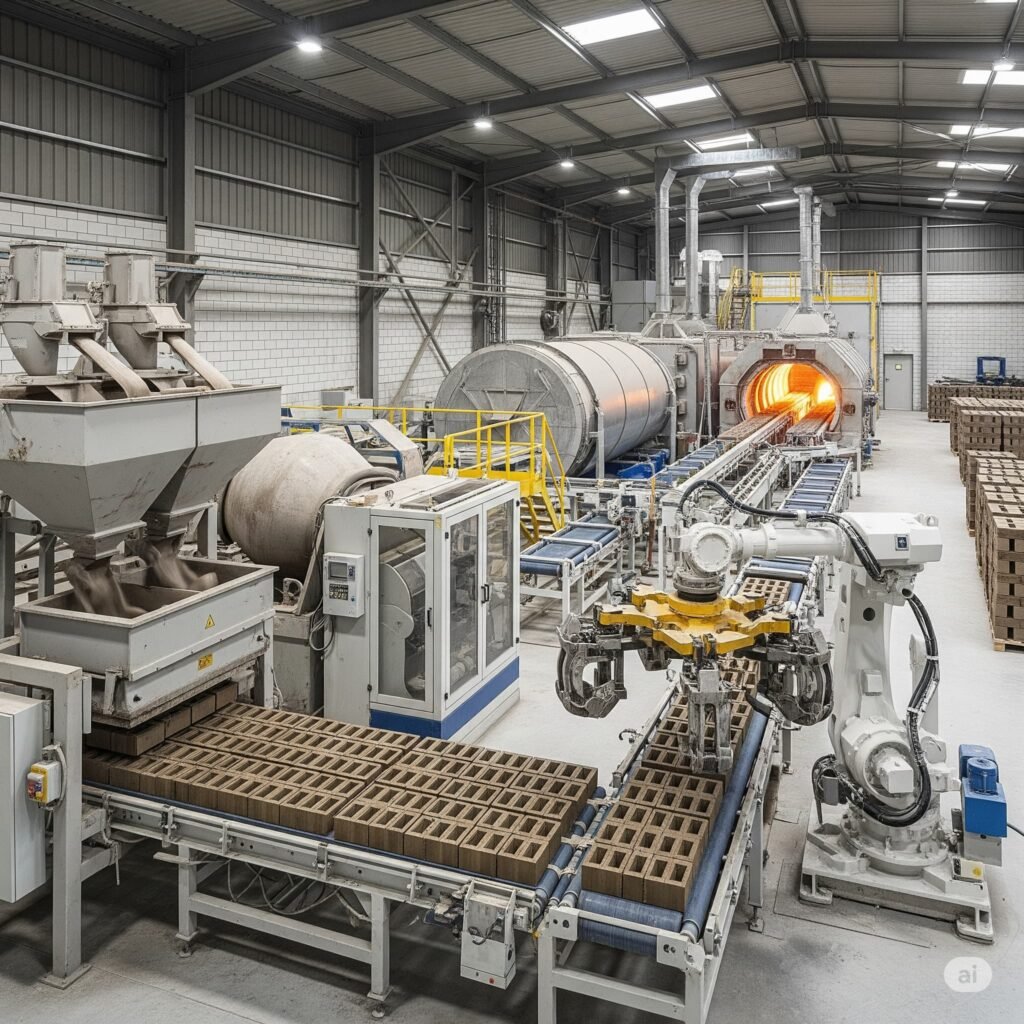
- ઈમેજ/મીડિયા સૂચનો
- ડિસ્ક્લેમર
કયા પ્રકારની ઈંટ/બ્લોક બનાવશો?
- Fly‑Ash/Concrete Bricks (Hydraulic Vibro‑Press) – ઓછી CAPEX, ઝડપી સ્ટાર્ટ.
- Burnt Clay Bricks (Tunnel Kiln) – હાઈ CAPEX, સતત ફાયરિંગ, મોટી ક્ષમતા.
- AAC Blocks (Autoclaved) – હાઈ CAPEX, હલકાં બ્લોક્સ, ઉત્તમ થર્મલ ઇન્સ્યુલેશન.
પ્રકાર | Approx CAPEX | Land | Power/Utilities | Output/Day (indicative) | ખાસ મુદ્દા |
Fly‑Ash/Concrete | ₹25 લાખ–₹1.2 કરોડ | 0.5–1.0 એકર | 60–100 kW, 5–10 m³ પાણી | 8k–12k bricks/shift | ઝડપી સેટઅપ, ઓછી ફ્યુઅલ ડિપેન્ડન્સી |
Burnt Clay (Tunnel Kiln) | ₹5–12 કરોડ+ | 2–4 એકર | ઇંધણ + ડ્રાયર/કિલ્ન | મોટા વોલ્યુમ | સતત કિલ્ન ઓપરેશન જરૂરી |
AAC Blocks | ₹15–35 કરોડ+ | 2–3 એકર | બોઇલર + ઓટોક્લેવ | હાઈ throughput | લાઇટવેટ, કટિંગ લાઇન ક્રિટિકલ |
સ્ટેપ‑બાય‑સ્ટેપ (બધા પ્રોજેક્ટ્સ માટે)
1) Market & Capacity
- લોકલ ડિમાન્ડ અને ચૅનલ્સ (કોન્ટ્રાક્ટર, બિલ્ડર, ગોડાઉન)નું સર્વે કરો.
- પ્રતિદિવસ વેચાણ ધારણાના આધારે Capacity નક્કી કરો (ઉદા. 8–10 હજાર પીસ/દિવસ).
- Target size: 190×90×90 mm (IS 1077) અથવા જરૂરી બ્લોક સાઇઝ.
2) Land & Layout
- Fly‑ash: ~0.5–1.0 એકર; AAC: ~2–3 એકર; Clay tunnel kiln: ~2–4 એકર.
- ઝોનિંગ: કાચામાલ યાર્ડ → મિક્સિંગ → પ્રેસિંગ/મોલ્ડિંગ → ક્યુરિંગ/ડ્રાયિંગ → તૈયાર માલ ગોડાઉન → ઓફિસ/લેબ.
3) Utilities
- Power: Fly‑ash માટે 60–100 kW (@ ~10k bricks/day); AAC વધુ.
- Water: Fly‑ash curing ~5–10 m³/day.
- અન્ય: કમ્પ્રેસ્ડ એર (AAC), સારી રોડ ઍક્સેસ, ડ્રેનેજ.
4) Permissions & Registrations (India)
- Pollution Control Board (Consent), Factory License, MSME/Udyam, GST, Trade License.
- ESIC/EPFO (સ્ટાફ), Fire NOC (જ્યાં જરૂરી).
5) Machinery Finalization
- ટાઈપ મુજબ મશીનરી લિસ્ટ (નીચે જુઓ), AMC/સ્પેર પ્લાન સાથે.
6) Raw Material Tie‑ups
- Fly‑ash (પાવર પ્લાન્ટ), Sand/Stone dust, Cement/Lime/Gypsum.
- Clay bricks માટે suitable soil, AAC માટે Lime, Cement, Fly‑ash/Sand, Al. powder.
7) QA/QC Setup
- લેબ ટેસ્ટિંગ: IS 3495/1077 (ક્લે), IS 12894 (ફ્લાય‑ઍશ), IS 2185 (કોંક્રીટ બ્લોક), IS 3812 (ફ્લાય‑ઍશ grade).
- Test: Compressive strength, dimension tolerance, water absorption, efflorescence.
8) Manpower Planning
- Production, Maintenance (Electrical/Mechanical), QA, Store/Dispatch, EHS.
9) Safety & Environment
- PPE, Dust control, Guarding, Electrical earthing, Waste/water management.
10) Financials
- CAPEX: land/shed/machinery/electrical.
- OPEX: raw material, power, wages, maintenance.
- Working capital ≥ 1–2 months OPEX.
- Simple ROI: (Annual Net Profit ÷ Total Investment).
11) Civil & Erection
- Machine foundations, shed, hard flooring (drain slope), electrical panels, cable trays, lighting, water lines.
12) Trial & Stabilization
- Trial mixes, mold setting, pressure/vibration tuning, curing SOP lock.
13) SOPs & Documentation
- Mixing ratios, press cycle times, curing days, inspection checklist, rejection/rework flow.
14) Vendor/Logistics
- Pallets, strapping, stretch‑wrap, dispatch planning (truck loads).
15) Scale‑up
- Second press/extra molds, automated batching/stacker, kiln/autoclave cycle optimization.
ટાઈપ‑વાઈઝ ક્વિક ગાઈડ
- A) Fly‑Ash / Concrete Bricks
Typical Machinery:
- Aggregate/Fly‑ash silos/bins, Pan/Planetary mixer, Screw/Conveyor,
- Hydraulic Vibro‑Press (automatic feeder + palletizer optional),
- Pallets & Racks, Curing area (steam/water), Stacker, Strapping.
Starter Mix (રફ માર્ગદર્શક):
- Fly‑ash 60–70% + Sand/Stone dust 20–30% + Cement 8–12% (અથવા Lime+Gypsum સિસ્ટમ).
- Water–cement eq.: ~0.30–0.35 (workability મુજબ). Trial batchesથી final.
Process (SOP):
- Raw material sieving/weighting
- Mixing (પહેલાં ડ્રાય, પછી પાણી)
- Pressing (pressure & vibration tuned)
- Demould on pallets
- Initial set 24–48 કલાક
- Curing 7–14 દિવસ (steam/water)
- Test & Dispatch
Capacity (ઇન્ડિકેટિવ): 1 automatic press → ~8,000–12,000 bricks/shift (મોલ્ડ & સાયકલ પર આધારિત).
Rough Budget:
- Semi‑auto line: ₹25–40 લાખ+
- Fully‑auto (press + feeders + stacker): ₹60 લાખ–₹1.2 કરોડ+
- B) Burnt Clay Bricks – Tunnel Kiln
Sections:
- Clay winning & stockyard → Crusher → Pug mill → Vacuum extruder/Press →
- Auto green brick setter → Dryer → Tunnel kiln (coal/gas/fuel) → Unloading/Packaging.
- Emission control: cyclone/Bag filter (PCB મુજબ).
Key Points:
- Soil suitability (plasticity/silt %), sand/blending → crack control.
- Continuous dryer + kiln → consistent quality, big throughput.
Rough CAPEX: ₹5–12 કરોડ+ (kiln length/capacity, fuel system, automation પ્રમાણે).
- C) AAC Blocks (Autoclaved)
Sections:
- Batching & pouring (slurry) → Rising/Pre‑curing → Demould → Wire cutting (V+H) → Autoclave (~12 bar steam) → Packing.
- Major CAPEX: Boiler, Autoclaves, Cutting line.
Raw Mix (indicative): Fly‑ash/Sand + Cement + Lime + Gypsum + Al. powder 0.05–0.1%.
Rough CAPEX: ₹15–35 કરોડ+ (capacity/autoclaves count પ્રમાણે).
ક્વોલિટી & IS Standards
- Clay bricks: IS 1077 (dimension), IS 3495 (strength, water absorption, efflorescence).
- Fly‑ash bricks: IS 12894 (class by strength).
- Concrete blocks/pavers: IS 2185 / IS 15658.
- Incoming fly‑ash: IS 3812 (Part‑1/2) basics.
QC ચેકલિસ્ટ:
- Dimensions & Tolerance (sample per batch)
- Compressive Strength (IS method)
- Water Absorption %
- Efflorescence
- Visual Defects (crack, edge damage)
સ્પેસ/યુટિલિટી ચીટશીટ
પ્લાન્ટ | Shed Area | Open Yard | Power | Water |
Fly‑ash (~10k/day) | ~8–12k sq.ft | ~15–20k sq.ft | 60–100 kW | 5–10 m³/day |
Tunnel Kiln (Clay) | Large | Large | Fuel + kiln utilities | As per kiln |
AAC | Boiler house + autoclaves | Moderate | High (steam + power) | WT/softened |
મેનપાવર પ્લાન (Fly‑ash – single line)
- Production: 8–12
- Maintenance (E/M): 2–3
- QA/QC: 1–2
- Stores/Dispatch: 2–3
- Admin: 1–2
(શિફ્ટિંગ મુજબ ફેરફાર કરે.)
કોસ્ટિંગ & ROI – ફ્રેમવર્ક + ઉદાહરણ
Formulae:
- Unit Cost ≈ (Raw Material + Power + Labour + Overheads) ÷ Bricks Produced
- Profit/Brick = Selling Price – Unit Cost
- ROI ≈ Annual Net Profit ÷ (CAPEX + Working Capital)
Illustration (રફ):
- Capacity: 10,000 bricks/day; 25 working days/month.
- Selling price: ₹6/brick; Unit cost: ₹4.5/brick ⇒ Profit = ₹1.5/brick.
- Monthly Profit: 10,000 × 1.5 × 25 = ₹3,75,000.
- Annual Profit: ₹3,75,000 × 12 = ₹45,00,000 (₹45 લાખ).
- If Total Investment = ₹90 લાખ ⇒ ROI ≈ 45/90 = 50% (indicative).
નોંધ: ભાવ/કચો માલ/રિજેકશન પર ખરેખર પરિણામ બદલાય.
Day‑1 એક્શન પ્લાન
- Type & Capacity ફાઈનલ કરો (Fly‑ash vs Clay vs AAC).
- Vendors (2–3) shortlist કરી specs/AMC/lead time મેળવો.
- Land layout sketch (one‑way material flow) તૈયાર કરો.
- Statutory approvals લિસ્ટ તૈયાર કરી PCB સાથે pre‑consult કરો.
- Trial mix & sample bricks માટે R&D પ્લાન બનાવો.
- Project budget & cash‑flow sheet તૈયાર કરો.
FAQs
Q1. ક્યુરિંગ કેટલા દિવસ?
Fly‑ash/Concrete bricks માટે સામાન્ય રીતે 7–14 દિવસ; steam curingમાં સમય ઘટાડી શકાય છે (સતર્કતા સાથે).
Q2. IS strength class કેવી રીતે પસંદ કરવી?
તમારા માર્કેટ/ક્લાયન્ટ requirement મુજબ IS 12894/2185 પ્રમાણે strength class target કરો અને લેબ ટેસ્ટિંગથી વેરિફાઈ કરો.
Q3. લાઈસન્સ કયા લેવાં?
PCB Consent, Factory License, MSME/Udyam, GST, Trade License, ESIC/EPFO, Fire NOC (જ્યાં લાગુ પડે).
Q4. Water absorption કેવી રીતે કંટ્રોલ કરવું?
ગ્રેડેડ એગ્રીગેટ/સેન્ડ, યોગ્ય સિમેન્ટ/લાઈમ ડોઝ, વોટર‑સિમેન્ટ રેશિયો કન્ટ્રોલ, પૂરતું ક્યુરિંગ.
Q5. Rejection ઘટાડવા શું કરવું?
સંગ્રહિત QA (in‑process checks), mold/press settings, proper demould time, edge protection, pallet handling.
ડિસ્ક્લેમર
આ માહિતી ઇન્ડિકેશન માટે છે. સ્થાનિક નિયમો, સાઇટ કન્ડીશન્સ, વેન્ડર સ્પેસિફિકેશન અને ક્વોલિટી માપદંડ મુજબ ફેરફારો શક્ય છે. પ્રોજેક્ટ શરૂ કરતા પહેલા ટેકનિકલ નિષ્ણાત અને અધિકૃત માર્ગદર્શિકાઓનું પાલન કરો.